We conduct dramatherapy sessions for individuals and groups.
තනි පුද්ගලයන් සඳහා සහ කණ්ඩායම් සඳහා අප රංග චිකිත්සක සැසි පවත්වමු.
Contact Ravindra Ranasinha for group workshops on dramatherapy.
රංග චිකිත්සක වැඩ මුළු සඳහා අමතන්න රවීන්ද්ර රණසිංහ.
Email/ඊමේලය: ravindraranasinha@gmail.com
Mobile/දූරකථනය: 0719839507
Why Drama Therapy?
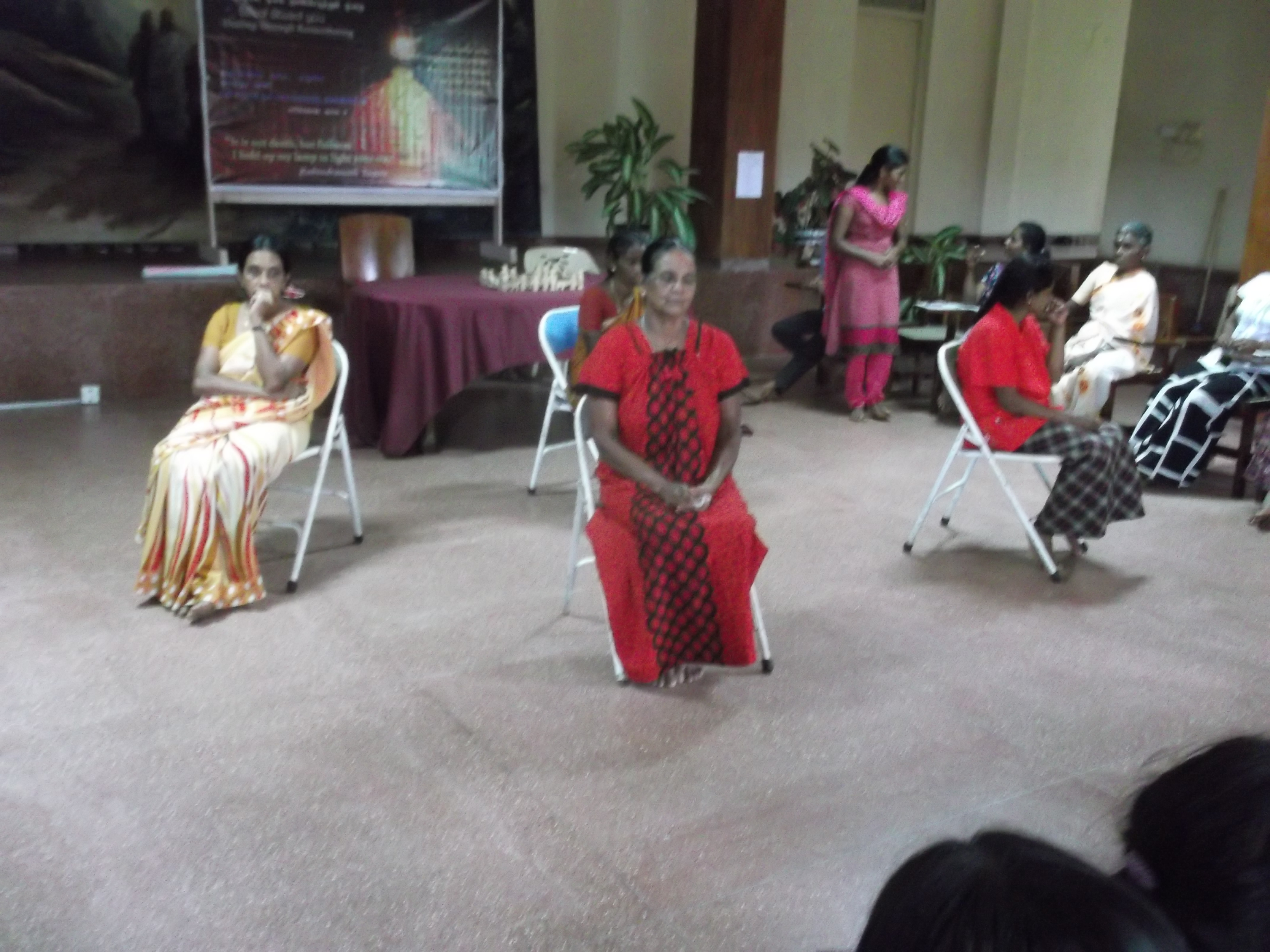
The complexity of the present socio-cultural system has caused an array of psychological and behavioural anomalies in people’s lives which reflects through stress, trauma, anxiety and a wide variety of personality disorders. Drama therapy emerges as one of the mildest forms of approaching the clients to support and capacitate them to have increased coping mechanisms so that life could be transformed to normalcy. The inner peace and joy of the client is the ultimate goal in this healing process.
රංග චිකිත්සාව කුමටද?
පවතින සංකීර්ණ සමාජ සංස්කෘතික පරිසරය විසින් අනේක විධ මානසික හා චර්යාමය ගැටළු නිර්මාණය කොට ඇත. සොබාවික පරිසරය විසින් ද නොයෙක් විපත් මිනිසා මත පතිත කොට ඇත. සියළු වේදනාකාරි තත්ත්වයන්ට මුහුණ දෙන පිරිස ට සහනය සලසන්න ට රංග චිකිත්සාව සමත් වී ඇත. දේවල් දරාගන්නට අවශ්ය ශක්තිය සම්පාදනය කරන්ටත්, ප්රීතිය අත් විඳින්ටත් රංග චිකිත්සාව උපකාරි වෙයි.
For whom
Drama therapy is for those with developmental disabilities, personality disorders and psychological disorders.
කවුරුන් සඳහා ද
වර්ධන, මානසික හා පෞරැෂ අක්රමතා සහිත වූවන් ට රංග චිකිත්සාව ප්රයෝජනවත් ය. ඊට අමතරව මානසික සහනය පතන සියළු දෙනාට රංග චිකිත්සාවේ අසමසම ශක්තිය අත් විඳිය හැක.
The aim
The programme will help the clients to explore their issues, increase coping mechanisms, build self-awareness, and guide to creatively utilize their potentials to ensure personal wellbeing. Enabling creativity, sociability, communication, learning and healing is the ultimate target in drama therapy.
රංග චිකිත්සාවේ ඉලක්කයන්:
- ගැටළු ගවේෂණය
- ජීවිතය විඳ දරා ගැනීමේ ශක්තිය ගොඩ නැගීම
- ආත්ම අවබෝධය වර්ධනය කිරීම
- නිර්මාණාත්මක හැකියාවන් ඔප් නැංවීම
- සමාජශීලි බව වැඩීම
- සන්නිවේදනය වර්ධනය කිරීම
- ඉගෙනුම
- සුවපත් වීම
The approach:
Drama therapy will systematically utilize drama/theatre processes to achieve the therapeutic goals of symptom relief, emotional and physical integration, and personal growth. It is an active, experiential approach that facilitates the client’s ability to tell his/her story, solve problems, set goals, express feelings appropriately, achieve catharsis, extend the depth and breadth of inner experience, improve interpersonal skills and relationships, and strengthen the ability to perform personal life roles while increasing flexibility between roles.
රංග චිකිත්සාවේ ප්රවේශය
රංග කාර්යයේදී උපයෝගී කරගනු ලබන බොහෝ ක්රියාදාමයන් චිකිත්සාව සඳහා යොදා ගැනෙයි. ආවේගයන් සමනය, පුද්ගල වර්ධනය හා රෝගී ලක්ෂණ ඉවත් කිරීම සඳහා පරිකල්පනය මෙහෙයවමින් සිදු කරන රංග ක්රියාකාරකම්වල පිහිට සේවාලාභියාට හිමිවෙයි. තමන් පිළිබඳ ගැඹුරින් සිතා බලන්නට හා අන්තර් පුද්ගල සම්බන්ධතා ශක්තිමත් කරගන්නට චිකිත්සක ප්රවේශය දායක වෙයි. තම ජීවිතයට අවශ්ය ඉලක්ක සම්පාදනය කරගනිමින්, තමන් දෙස ආත්මාභිමානයෙන් බලන්නට මෙම ප්රවේශය ඉඩ සලසයි.
Facilitator:
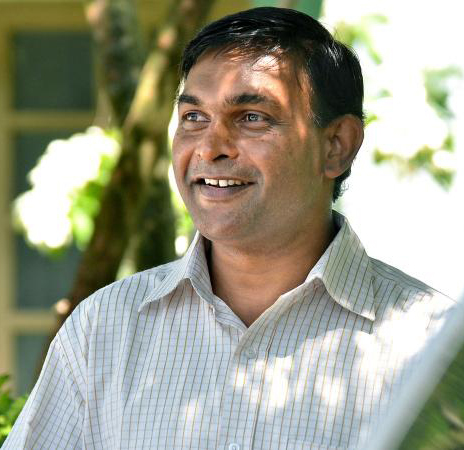
Dr. Ravindra Ranasinha is a Sri Lankan dramatherapist, researcher, trainer, counsellor, and social justice practitioner with more than two decades of experience using drama and the creative arts as therapeutic tools for emotional healing, psychological well-being, personal growth, and community transformation.
He is a pioneer of dramatherapy in Sri Lanka and the founder of the country’s first formal study programme in Dramatherapy, established in 2014 in collaboration with Samutthāna, the King’s College London Resource Centre for Trauma, Displacement and Mental Health in Sri Lanka. He has played a leading role in introducing and developing dramatherapy practice, training, and research within the Sri Lankan context.
Dr. Ranasinha has worked extensively with children, adolescents, adults, survivors of trauma, persons with developmental and physical disabilities, and individuals experiencing psychological, emotional, and behavioural challenges. His work integrates dramatherapy, trauma-informed practice, family therapy, mindfulness, and community-based approaches to psychosocial well-being.
His publications include Dramatherapy in Sri Lanka (2013), which explored the therapeutic potential of drama to promote psychological, emotional, and social well-being, and How Schools Abuse and Fail Children: Dramatherapy to Heal Emotionally Traumatized School Children in Sri Lanka (2014), which critically examined the impact of educational practices, abuse, family dysfunction, and psychosocial adversity on children’s mental health while proposing dramatherapeutic interventions for healing and resilience.
Dr. Ranasinha has also contributed to the development of indigenous approaches to dramatherapy, including the Eight-Part Story Method (8PSM), and has conducted research and training programmes in Sri Lanka and internationally. His recent work includes training mental health practitioners in trauma-informed dramatherapy through the Academy of Care programme in Myanmar and conducting research on the application of dramatherapy in cross-cultural and post-conflict settings.
He currently serves as a dramatherapy educator, consultant, researcher, and trainer, supporting individuals, communities, mental health professionals, educational institutions, and organisations seeking innovative approaches to healing, resilience, and social transformation.
රවින්ද්ර රණසිංහ වෘත්තියෙන් මනෝ උපදේශකයෙක්, රංග චිකිත්සකයෙක් හා නාට්ය අධ්යක්ෂකවරයෙකි. රවීන්ද්ර, රංග චිකිත්සකයෙක් වශයෙන් පසුගිය දශක දෙකක ට වැඩි කාලයක් රටේ විවිධ තැන් හි තම සේවාව ලබා දුන්නේය. ඔහු දැනට විවිධ මනෝ උපදේශන ආයතනයන් හි හා උසස් අධ්යාපන ආයතනයන් හි රංග චිකිත්සාව ඉගැන්වීම සිදු කරයි.
රංග චිකිත්සාව පිළිබඳ ඔහුගේ කෘති:
‘Dramatherapy in Sri Lanka’ (2013);
‘මනෝ උපදේශන පසුබිමෙහි රංග චිකිත්සාව’ (2013);
‘How Schools Abuse and Fail Children : Dramatherapy to Heal Emotionally Traumatized School Children in Sri Lanka’ (2014);
‘Creative Arts Therapies for Autistic Children’ (2015)
ආදරය ලිංගිකත්වය විවාහය – සායනික දත්ත විශ්ලේෂණයක් (2023)
පීඩිතයාගේ අධ්යාපන විද්යාව (2023)
ළමෝ – සායනික දත්ත විශ්ලේෂණයක් (2024)
 Sri Lanka Dramatherapy