To read and download more research papers, books, and chapters, visit https://independent.academia.edu/RanasinhaRavindra
Exploring Community Catharsis and Embodied Healing in Burmese Nat Pwe: Culturally Sensitive Pathways for Modern Dramatherapy Practice
Ravindra Ranasinha PhD 1 , Yee Yee Mon 2 , Agnes Seng Sam 2 , Aung Aung Naing 2 , Aye Myat Mon 2 , Aye Thanda Maung 2 , Ei Lawm Nap 2 , Hkawn Ja 2 , Khaing Kyi Kyi Khaing 2 , Khin Thuzar Aung 2 , May Myat Mon 2 , Mie Mie Han 2 , Phyoe Thet Htet Oo 2 , Thin Hnin Aye 2 , Win Lae Yee Win 2 , and Ze Naw 2
1 Research Institute for Dramatherapy, Sri Lanka
2 Academy of Care (cohort 4), Myanmar
DOI: https://doi.org/10.47772/IJRISS.2025.91200222
ABSTRACT
This paper explores the Burmese Nat Pwe—a ritual festival of spirit embodiment and communal catharsis—as a culturally grounded framework for understanding healing within dramatherapy. Drawing on autoethnographic data from fifteen Burmese drama therapy trainees at the Academy of Care (Goethe-Institut, Myanmar), the study examines how ritual performance enacts therapeutic processes of embodiment, projection, role transformation, and collective witnessing. Through thematic analysis informed by dramatherapy theory and cultural sensitivity frameworks, Nat Pwe is reframed as an indigenous theatrical healing ceremony—a living, relational system of psychotherapy that integrates spiritual, emotional, and social repair. The findings reveal that trance, rhythm, and collective participation operate as embodied technologies of regulation and release, aligning with trauma-informed and decolonial principles of healing. Integrating recent evidence from trauma-informed dramatherapy training in Myanmar, the paper argues that culturally responsive dramatherapy must move beyond adaptation toward dialogical reciprocity with local ritual traditions. Nat Pwe demonstrates that healing arises through aesthetic, spiritual, and communal resonance, challenging Western individualist models of therapy. This study contributes to global dramatherapy by articulating a framework of cultural humility, intercultural empathy, and embodied spirituality, positioning Nat Pwe as both mirror and mentor for decolonizing therapeutic practice.
Keywords: Nat Pwe, dramatherapy, cultural sensitivity, embodiment, trauma-informed practice, decolonial psychology, Myanmar
Dramatherapy as a Multidisciplinary Approach to Advancing Human Values in Education and Mental Health: A Contribution to the Sustainable Development Goals
Ravindra Ranasinha PhD
Director, Research Institute for Dramatherapy, Sri Lanka
DOI: https://dx.doi.org/10.47772/IJRISS.2025.903SEDU0491
ABSTRACT
Dramatherapy offers an innovative approach to achieving Sustainable Development Goals (SDGs), particularly SDG 3 (Good Health), SDG 4 (Quality Education), and SDG 16 (Peace and Justice). This interdisciplinary practice, blending psychology, theatre, and pedagogy, uniquely instills values like empathy, resilience, and ethical responsibility in educational and mental health settings. Its explicit links to multiple SDGs position it as a strategic intervention for global challenges, bridging mental health and peacebuilding. This paper explores dramatherapy’s application in schools and mental health, showing how embodied practices like role-play and storytelling enhance emotional literacy and social connectedness. Drawing on experiences from Sri Lanka’s post-conflict and marginalized communities, it highlights dramatherapy’s role in empowering participants to engage with personal narratives and social ethics, significantly promoting social cohesion and non-violence (SDG 16). Integrating dramatherapy into curricula and psychosocial programs can bolster efforts toward holistic education, mental well-being, and social inclusion—essential for sustainable development and advancing the global agenda for just, peaceful, and inclusive societies.
Keywords: Dramatherapy, Sustainable Development Goals (SDGs), Education, Mental Health, Human Values
Exploring the Impact of Trauma-Informed Dramatherapy Training on Mental Health Practitioners in Myanmar: Perspectives on Integration, Effectiveness, and Cultural Adaptation
Ravindra Ranasinha PhD
https://papers.ssrn.com/sol3/papers.cfm?abstract_id=5139107
ABSTRACT
Myanmar’s prolonged civil conflict and the 2021 military coup have aggravated widespread trauma, anxiety, and depression, compounded by economic collapse and disruptions to mental health services. Traditional talk therapies alone are insufficient in addressing these complex psychological needs, necessitating innovative therapeutic approaches. This study examines the feasibility of trauma-informed dramatherapy as an intervention within Myanmar’s mental health landscape. In 2024, the Academy of Care at the Goethe-Institut Myanmar launched a Train-the-Trainer program to enhance the capacity of fifteen local mental health practitioners. Using a qualitative research design, this study explores the experiences of the fifteen participants who completed intensive two-week dramatherapy training. The findings reveal four key themes: (1) Cultural Adaptation and Mindfulness, highlighting the integration of local cultural practices to enhance accessibility; (2) Empowerment and Self-Discovery, demonstrating the training’s impact on practitioners’ self-awareness and therapeutic confidence; (3) Addressing Mental Health Challenges, illustrating dramatherapy’s effectiveness in supporting trauma survivors beyond traditional talk-based approaches; and (4) Community Healing and Connection, emphasizing its role in fostering social cohesion and collective trauma recovery. Findings suggest that culturally responsive trauma-informed dramatherapy holds significant potential for addressing Myanmar’s mental health crisis. However, sustained professional development, cultural adaptation, and further empirical research are essential to optimize its implementation and long-term impact.
Keywords: Dramatherapy Trauma Myanmar Political Unrest Mental Health Training Cultural Humility
Eight-Part Story Method or the Beehive Model: Its Evolution and Application as a Dramatherapy Intervention
Ravindra Ranasinha PhD
https://data.mendeley.com/datasets/hyn64gw87f/1
https://doi.org/10.1016/0197-4556(83)90006-0
ABSTRACT
The 8 Part Story Method (8PSM) or the Beehive Model is a story-based dramatherapy intervention that evolved from the Six Part Story Method (6PSM), in Sri Lanka. The 8PSM is influenced by Buddhist philosophy, which is an integral part of the Sri Lankan culture. The Buddhist philosophical coaching depends on four basic teachings: reflecting and knowing one’s own weak points, understanding the main reason or cause of the issue, realizing that there is a solution for the problem, and gradual mindfulness practice to achieve the final goal. The 8PSM was developed by transforming the 6PSM, which involves a story-making process to help the client to express repressed feelings and emotions, develop insights into their problems, and regain mental equilibrium. The metaphor is a vital ingredient in therapeutic story making, and it has the chance of helping the client to experience a catharsis. In the case of the 14-year-old Buddhist boy, the 8PSM was used to assess his coping mechanisms, stressors, and conflict areas. The client’s story, ‘Sonny the Young Deer’, reflected his identification with the protagonist’s situation and his understanding of the root causes of suffering according to Buddhist philosophy. Through the metaphor of Sonny’s story, the client was able to externalize his problems and objectify his suffering, which led to a deeper understanding of his own thoughts, emotions, and behaviors. The client’s Buddhist perspective played a significant role in his self-examination, acknowledging his thoughts and actions as the root causes of his problem. Through the 8PSM procedure, the client was able to re-author his story, reframing his thoughts and behaviors, and initiating action towards personal transformation. The process of creating and telling his story became a framing metaphor for his journey towards self-awareness and empowerment. Eight part story method is a therapeutic approach that helps clients overcome personal struggles and achieve self-awareness. The model consists of eight stages, guiding clients towards self-awareness and positive change. Through storytelling and various techniques, clients can address personal struggles, overcome obstacles, and make informed decisions for growth and healing. The model emphasizes self-compassion, self-acceptance, and the importance of positive relationships in achieving transformation and happiness.
Keywords: Sri Lanka, dramatherapy, assessment and intervention, story-making, self-awareness, wisdom, transformation, happiness
Zen stories to inspire imagination in a client with vascular dementia
Ravindra Ranasinha PhD
ABSTRACT
Dramatherapy: A Culturally Responsive Practice
Ravindra Ranasinha PhD
Download pdf https://link.springer.com/chapter/10.1007%2F978-3-030-76208-7_24
ABSTRACT
Dramatherapy is a recognized profession in over 30 countries. This is not the reality in Sri Lanka, for two reasons: nonavailability of a governmental healthcare monitoring body, to issue practitioner license, recognizing the practice, and the dominant psychiatric culture resisting psychotherapy, as “incompetent” for psychiatric rehabilitation. Despite these challenges, networking with churches, temples, schools, and corporate sector has enabled the dramatherapist to reach outpatients with diverse psychological issues. In this traditional society, a culturally responsive dramatherapy practice is of significance for psychiatric rehabilitation. Integration of spiritual teachings, and utilization of a wide variety of signs, symbols, and concepts pertaining to the belief systems, support the therapy, enabling the client towards exploring repressed subjective material. After the Easter Sunday bomb attacks, outpatients with trauma were supported through dramatherapy, utilizing hymns, prayers, parables, metaphors, symbols, and archetypes related to Catholic faith. They were integrated with role-play, improvisation, storytelling, and performance. Even though dramatherapy is a non-recognized profession, in this country, its practice has advanced to support diverse client populations, with a greater demand, as it is a mild and safe treatment modality. Networking with the corporate sector has enhanced its vitality as a psychological intervention, strategically building its recognition, in Sri Lanka.
Key words: Sri Lanka, Dramatherapy, Culture, Outpatient care, Traditional society
DIGITIZED DRAMATHERAPY AS A MENTAL HEALTH SERVICE DURING COVID-19 PANDEMIC PERIOD
Ravindra Ranasinha PhD
Download pdf DIGITIZED DRAMATHERAPY AS A MENTAL HEALTH SERVICE
ABSTRACT
Covid-19 pandemic situation compelled dramatherapists to identify a novel mode in practicing dramatherapy, since social distancing was a strict policy, in Sri Lanka. To minimize the risk of coronavirus threat, both the dramatherapist and the client had to remove themselves from the conventional dramatherapy room, and resort to a safe space in virtual reality, to conduct therapy. The alternative means for the practice were the digital platforms, such as Whatsapp, Skype, Imo, and Botim. This study aimed at answering the following research question: How effective is dramatherapy, as a digitized practice, during Covid-19 period, in Sri Lanka? As a convenient sample, a number of five clients who received dramatherapy assistance through digital platforms, were selected for this study. They presented mental health difficulties related to work stress, anger, separation anxiety, fear of losing the job, and anxiety attacks. Their consent was obtained to utilize data arising from post-intervention semi-structured interviews, to answer the research question. Qualitative data was analysed thematically, and four super-ordinate themes emerged in the analysis, namely, digital containment, digital platform for interaction, creativity in a digital space, and recovery of an independent agent. During Covid-19 period, the client could utilize a digital platform as a meeting place with the dramatherapist, and form interaction to enhance social engagement. Digital platforms supported space for client’s creativity, improving self-confidence, encouraging self-expression, and motivating towards creative resolution of emotional difficulties. Ethical concerns emerged, as digital platforms do not guarantee security of data, and privacy of the clients. Despite these limitations, digitizing the practice of dramatherapy was beneficial for the clients to emerge from their psychological and emotional difficulties, during Covid-19 period.
KEYWORDS: Covid-19, mental health, dramatherapy, virtual realtiy, Sri Lanka
DRAMATHERAPY: RITUAL METAMORPHOSED
Ravindra Ranasinha PhD
Download pdf Dramatherapy – Ritual Metamorphosed
ABSTRACT
This overview of literature tries to demonstrate how modern day dramatherapy practice evolved from ancient theatrical practices. Literature reveals the contribution of early dramatists, especially, from the Greek and Roman periods, encouraging spectators to watch comedies, as a remedy for psychosis. The early beliefs in relation to the curative potential of drama were exploited by the modern day dramatists, educationists, sociologists, and psychiatrists, to experiment further in formalizing the practice of drama as therapy. These practitioners were able to elicit vital elements in drama and theatre, and combine with theory, in order to make dramatherapy a unique discipline in the field of mental health. Today, dramatherapy is the application of diverse elements related to drama and theatre, to address manifold psychological issues, either from a clinical point of view, or from a humanistic perspective.
KEYWORDS: Dramatherapy, mental health, Drama/Theatre history, Tragedy, Comedy
SPACE BETWEEN US
RESEARCH POSTER PRESENTATION
Download Poster Presentation Ethnodramatherapy Research with SEN
DRAMATHERAPY IN SRI LANKA -Reflections of a Practitioner
Ravindra Ranasinha PhD
Download pdf DRAMATHERAPY IN SRI LANKA – Reflections of a Practitioner
ABSTRACT
Dramatherapy is not a novel concept to Sri Lanka. From time immemorial, diverse communities in this country have made use of traditional healing ceremonies, as therapeutic practices. They engaged the people, through rituals, symbolic interactions, play, drama, and stories. In Sri Lanka, folklore, too, is a strong tool in containing the grief and trauma of our people. Our modern dramatherapy practice receives guidance from these rich sources. This study about the dramatherapy practice in Sri Lanka is based on my reflections. The qualitative data collection tools were my journal entries and field notes. The data is presented as vignettes, and reflective analysis has been used to delineate my dramatherapy practice. Dramatherapy, as the vignettes show, utilizes storytelling, role play, and improvisation, as its tools. I have used religious beliefs, religious texts, symbols, archetypes, and folklore, to usher a cultural framework for the modern dramatherapy practice. In Sri Lanka, dramatherapy becomes a culturally responsive practice.
Key words: Sri Lanka, culture, healing ceremonies, dramatherapy, religious beliefs, Buddhism, Buddhist stories, folklore
DRAMATHERAPY TO IMPROVE THE SEXUAL LIFE OF ADULTS WITH DOWN SYNDROME
Ravindra Ranasinha PhD
Download pdf Dramatherapy to Improve the Sexual Life of Adults with Down Syndrome
ABSTRACT
In Sri Lanka, adults with Down syndrome (DS) lack freedom to enjoy a full sexual life. Negative attitudes, lack of education, and lack of interventions have contributed towards this situation. As the adults with DS are deprived of experiencing their sexuality, and engaging in sexual expression, they are made to undergo loneliness, depression, anxiety, and frustration. This qualitative study aimed at understanding the impact of dramatherapy to improve the sexual life of adults with DS. The sample was 06 adults with DS, and the data was collected through observation, semi-structured interviews, field notes, researcher journal, and narratives. Three key themes, namely, community, intimacy, and self-regulation emerged, when data was analyzed thematically. The results show that dramatherapy in a group, transformed adults with DS to a friendship community, encouraging them to nurture healthy social interactions and intimate relationships. Further, the intervention supported the adults with DS to improve behaviourally, taking control of their thoughts and emotions. Conclusively, the dramatherapy intervention created a humane space, to uphold rights of adult with DS, to enjoy a full sexual life.
Key words: sexual life, human rights, adult with Down syndrome, dramatherapy, self-regulation, intimacy, community, special education, inclusiveness
ETHNODRAMATHERAPY TO EMPOWER
STUDENTS WITH SPECIAL NEEDS IN SRI LANKA
Ravindra Ranasinha PhD
Download pdf Ethnodramatherapy to empower students with special educational needs in Sri Lanka
ABSTRACT
An ethnodramatherapy study was implemented at the school for special educational needs managed by the Sri Lanka Army. This institution, namely, Senehasa Education Resource Research and Information Center (SERRIC) in Colombo, provided facilities for the study from March to October 2018. This study aimed at investigating how 100 students with SEN grow emotionally, behaviourally, and socially, on being able to voice their hopes, wishes, emotions, and abilities. Qualitative data was collected through observation, informal conversations, discussions, and narratives. The students with SEN were treated as a single case. Three key themes emerged in the final analysis of data. The analyzed data revealed that the ethnodramatherapy performance made the students with SEN to feel fulfilled, to manage their emotions and behavior, and to develop a sense of belongingness. Ethnodramatherapy is a catalytic agent that empowers the students with SEN, to develop a positive self-image.
BHĀVANĀ-ORIENTED DRAMA THERAPY
TO IMPROVE FIFTEEN DOWN SYNDROME ADULTS IN SRI LANKA
Ravindra Ranasinha PhD
Download pdf Bhāvanā-oriented dramatherapy for fifteen adults with Down syndrome in sri lanka
ABSTRACT
Bhāvanā-Oriented Dramatherapy (BOD) integrates Buddhist Bhāvanā practice and dramatherapy. The Buddhist term bhāvanā means ‘mental culture’ or ‘mental development’, and has inappropriately translated to English as ‘meditation’. The term Bhāvanā encompasses the aspects of focus, tranquility, and equilibrium, to clean the mind of impurities and disturbances. Dramatherapy is an active psychotherapy intervention that makes use of creative processes, to achieve the therapeutic goals of symptom relief, emotional and physical integration, and personal growth. Drama as a traditional healing practice, has been utilized in Sri Lanka, as a psychotherapeutic intervention, for thousands of years. It is an inseparable part of the Buddhist culture in the country, and therefore, makes it a culturally relevant intervention. Adults with Down syndrome (DS) are a socially marginalized and developmentally restricted community who are not facilitated with appropriate interventions. This state of neglect has made them to face a range of psychological issues. BOD intervention helped them to deal with their embodied psychological and emotional experiences, through creativity. This is the first study on BOD, in the Sri Lankan context. This qualitative research used a multi-case research design, and the data was collected on a purposive subject sample of 15 adults with DS, through observation, journal entries, narratives, interviews, and feedback questionnaires. The data was analyzed through thematic analysis, coding and triangulation, and the four domains that emerged were mindful being, creative being, social being, and belongingness. The results showed improvement in emotion regulation, cognition, creativity, and flexible behaviours in adults with DS. The subjects became empathetic, compassionate, supportive, and friendly. They formed productive relationships, had a sense of community belonging, and were empowered to become socially responsible. The improvement in adults with DS has also contributed towards relieving the stress and anxiety of their caregivers. This BOD study, hopefully, will lead to further support not only the adult with DS, but for all those who are labeled as developmentally disabled and cognitively impaired.
CHANGING THE ATTITUDE OF SIXTY MENTAL HEALTH STAFF MEMBERS TOWARDS DRAMATHERAPY
Ravindra Ranasinha PhD
Download pdf – Changing the attitude of sixty mental health staff members towards dramatherapy
ABSTRACT
Mental Health Unit of the Ministry of Health organized a seven-day residential training programme, from 9th – 16th July 2018, on dramatherapy, for sixty Mental Health staff members attached to hospitals in the Southern region in Sri Lanka. Mental health staff in hospitals do not perceive dramatherapy as a psychological first-aid tool, to support the general public. They treat dramatherapy as a mode of entertainment and not as a psychological intervention. The purpose of this research is to ascertain whether the hospital Mental Health staff would change their attitude towards dramatherapy, after the training, and whether they would accept dramatherapy as an effective psychotherapeutic intervention, to improve psychological well-being of the general public. This dramatherapy research is the first of its kind in Sri Lanka. It adopted a qualitative case study design, treating the purposive sample as one case. A pre-test questionnaire, researcher observations, semi-structured interviews, and post-test questionnaire were used as data collection tools. Interpretative phenomenological analysis procedures were used to analyse the data. The following key themes emerged through the process: humane space, communication, group work, creativity, and mindfulness. This study reveals that dramatherapy assists mental health workers to adopt a humane approach towards the sick, and to remove the barrier between the mental health worker and the patient. As results show, dramatherapy training helped the mental health worker to value the mental patient’s life, enhancing their rapport with them. This dramatherapy intervention is of great benefit not only for mental health practitioners, but also for teachers and counsellors.
Key words: mental health, psychological first-aid, dramatherapy, hospitals, perception
BRIDGING A SPECIAL NEED THROUGH DRAMA
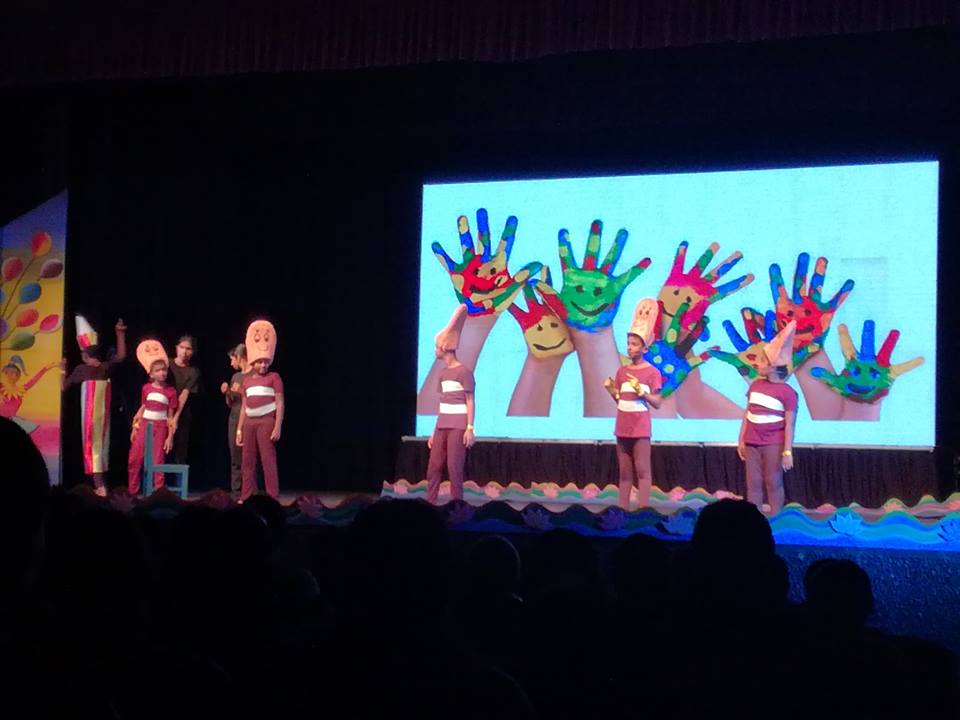
ETHNODRAMATHERAPY RESEARCH IN SRI LANKA
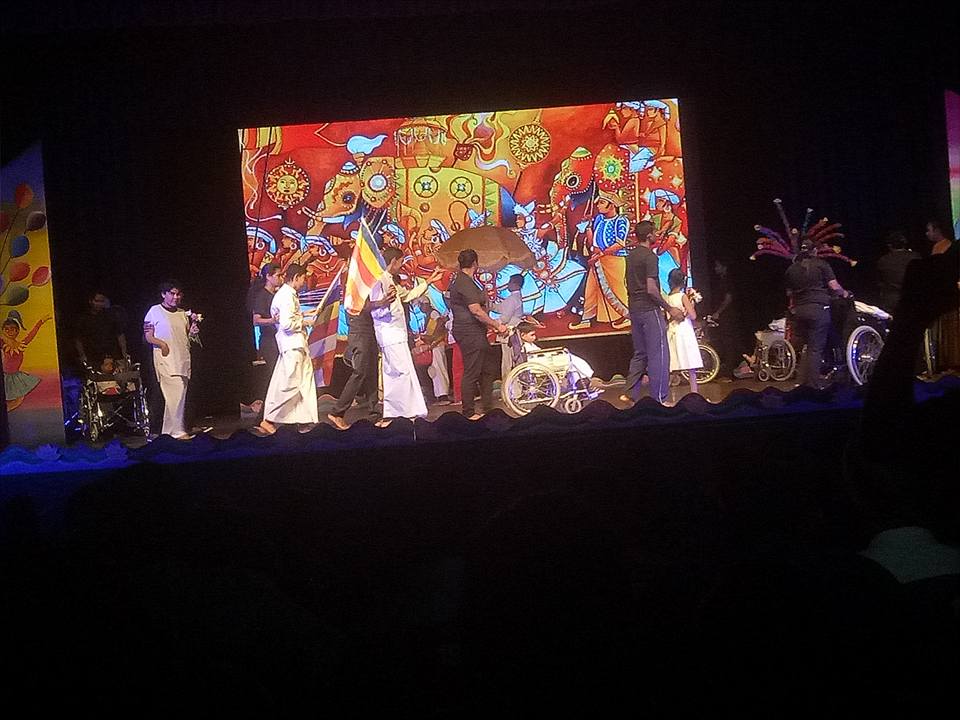
An ethnodramatherapy presentation took place on 2nd October 2018 in Colombo with the participation of one hundred children and adults who are differently-abled. These participants were from the Special Educational Needs school conducted by the Sri Lanka Army (SERRIC). Dr Ravindra Ranasinha designed the presentation.
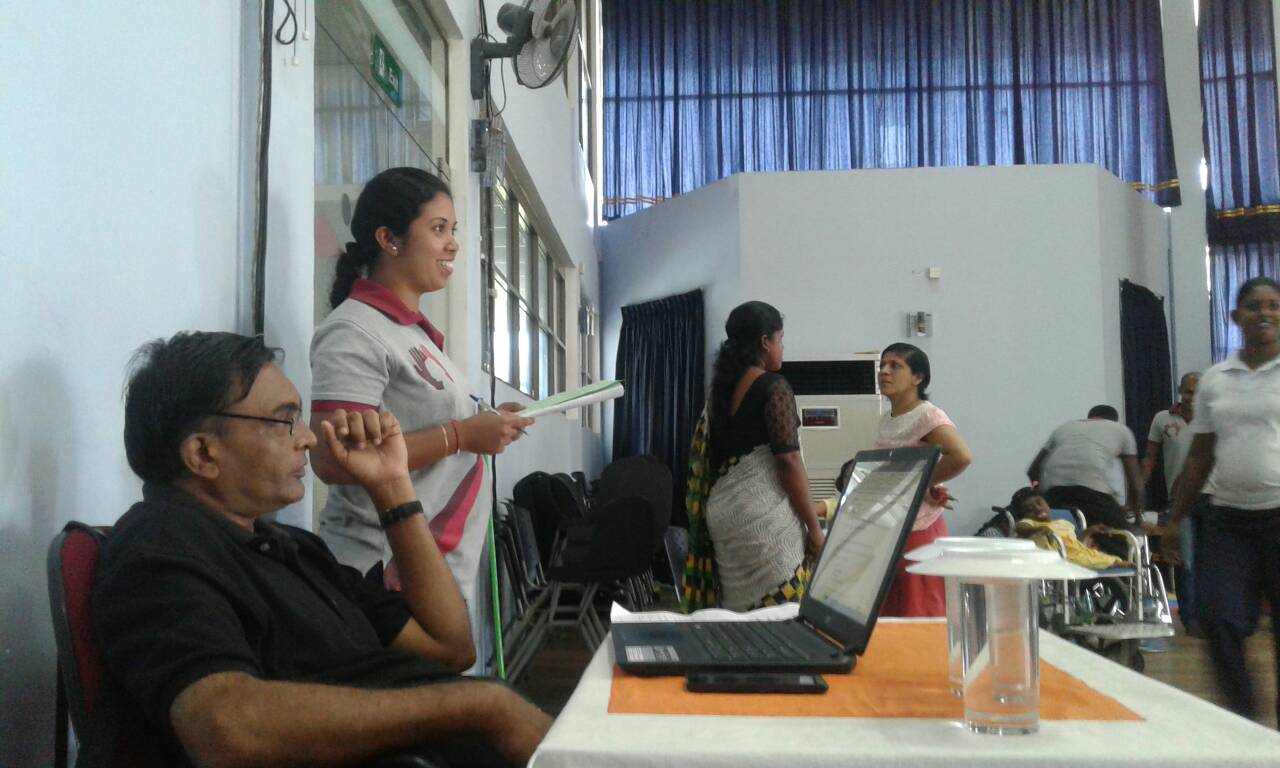
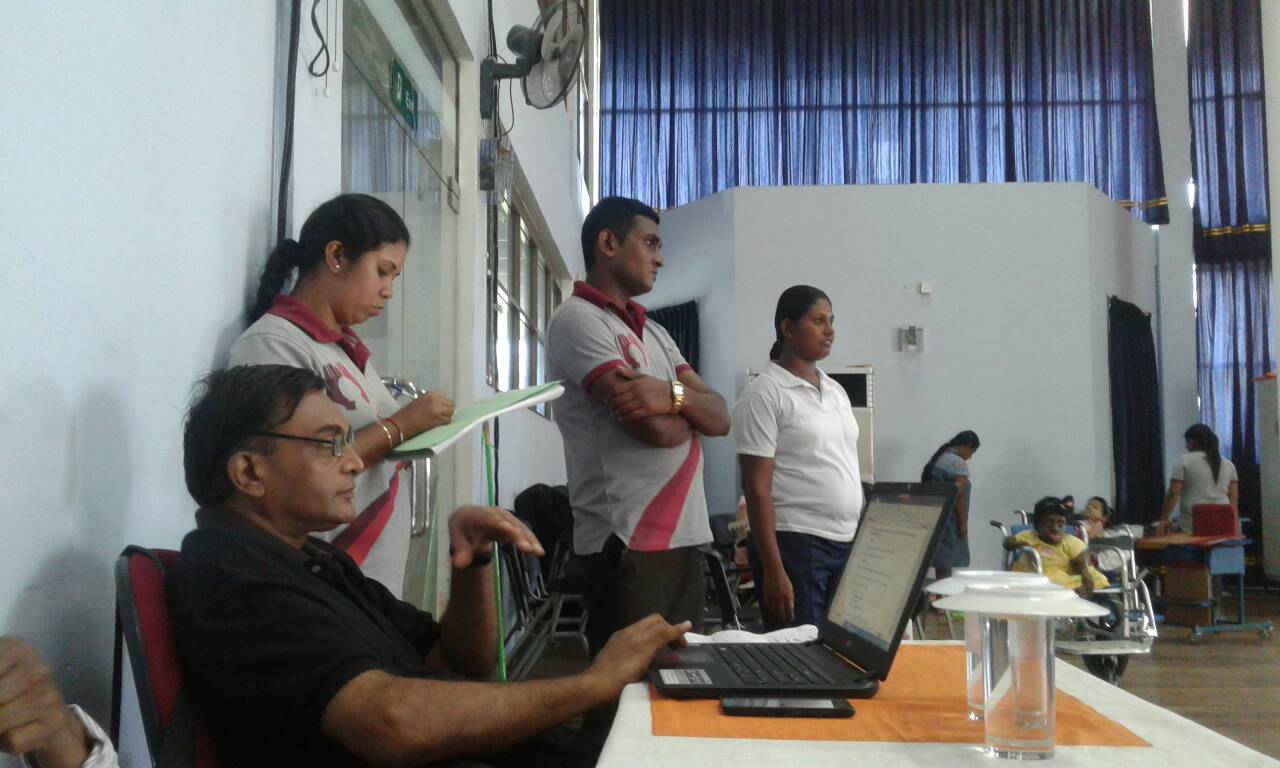
The ethnodramatherapy presentation had its emergence as a qualitative research. At the initial stage, the teachers of the SEN school were trained for 06 months, commencing from March 2018. Dramatherapy games, role-playing, pantomiming, scene-work, and music and movement was used, to make the teachers familiar with dramatherapy. A very few students were brought for these training sessions, and they were quite apt to do the activities together with the teachers.
After a six-month training period, the teachers were mobilized to gather ethnographic data on the community’s wishes, expectations, thoughts, moods, behaviours, and likings. The teachers, as the primary data collectors, took a period of one month to accomplish this task. During this period, the teachers utilized qualitative data collection tools, such as, observations and conversations. Further, projective data through art, music, dance, song, and photographic images were collected. The autobiographical narratives, too, were treated as vital data.
The primary data collectors analyzed the data thematically. Four major themes emerged from this thematic analysis. The themes that emerged were Happiness, Cooperation, Love, and Hope. The results of the study were then highlighted through performance, combining music, drama, dance, autobiographical narration, song, and movement. Multimedia was used for projective data. Dr Ravindra Ranasinha did the script for this performance.
The SEN school teachers coordinated the action under each theme. They utilized their skills and talents to get the performers actively engaged, and an organized pattern was given for each theme. Getting the performers ready every moment was a challenge for them, as some performers did not oblige to act or present their data, verbally or non-verbally. It was with this challenge, the teachers took the lead to make maximum use of their skills and talents, to build the relevant themes colourfully and dynamically.
The aspect of inclusivity was one of the focus in this programme. Normal children from a nearby local school was invited to join this performance, so that the participants will have enhanced interaction. This has a socio-political relevance in developing inclusion of persons with developmental disabilities in normal school environment, to make them valued, accepted, respected, and normalized. The children from the local school were, at the beginning found it difficult to engage with the SEN participants. It took a while for them to adjust. Once the school children found it easy to move with SEN participants, the rehearsals had a smooth floor. The local school children engaged in communication, interaction, and was supportive to get the activities formed beautifully. One student informed: “I have never interacted with these kind of children. This is new to me”. Another student said: “They are very charming”.
This performance had a strong impact on teachers, providing them a model for teaching. Many teachers, prior to this research, remained focused on verbal/linguistic and logical/mathematical intelligences, and catered to auditory and visual learners, using inadequate methods. The teachers said: “These children, though we try our best, have difficulty with linguistic and mathematical tasks.” It was a learning for the teachers to re-think on the teaching and learning process in the special needs school. This research revealed that the participants’ abilities and interests are not fully developed in a traditional academic program. Many aspects related to SEN were covered in this process: sensory integration, balance, eye-hand coordination, visuospatial function, kinesthetic strengths, behaviour regulation, creativity, emotion regulation, verbal responding, managing time and space, and learning to respond to a cue.
The presentation was a space opened for those with developmental disabilities to voice their needs. They were able to present themselves and feel the joy of being accepted by a large audience. One parent said: “I just wanted my child to be on stage”. Several other parents expressed the same view. It was an opportunity for the participants to feel encouraged, motivated, accepted, and valued. One parent said: “My daughter has the wish to become a bride one day. She was able to rehearse it on the stage. That’s like fulfilling her wish.”
The presentation took place at Bishop’s College Auditorium in Colombo 03. There was a large gathering to witness this event. The audience response was of utmost importance to enhance motivation of the participants. Their self-esteem, self-confidence, and validity were reinforced through the audience responses. The participants had had ample experiences (subjective) through this performance, capacitating them to be socially important persons.
REBUILDING IDENTITY: HAMLET
Ravindra Ranasinha PhD
Download pdf Rebuilding Identity-Hamlet
ABSTRACT
This essay aims in delineating some aspects of Hamlet’s psychological behaviour. The discussion will limit to view Hamlet’s behaviour as a withdrawn, distorted, and traumatized person, and how he emerges from his distortion. In this study, rebuilding identity emerges as a strong theme, to depict Hamlet as a catalyst.
DRAMATHERAPY FOR COUNSELLING PRIMARY SCHOOL CHILDREN
Download pdf – DT for Counseling in a Primary School
Abstract
This study in Drama Therapy was carried out to explore on the effectiveness of Drama therapy approaches or interventions for a primary school. Drama Therapy approaches was applied for children who receive counseling and in general for the whole section of grade 5 in a Private Boys’ school in Colombo. Emotional well being in the Primary school years of a child is very crucial for the child’s overall development mental, physical, social and emotional and for the development of personality. Therefore the school plays an important role in establishing and maintaining the well being of the child. However presently the numbers are increasing of the children who suffer from mental health issues and the children with special needs too are increasing. This increase also can be felt due to the development of screening procedures for special needs in the country. Therefore this study will investigate on the effectiveness of Drama therapy in a primary school.
PLAY THERAPY TECHNIQUES
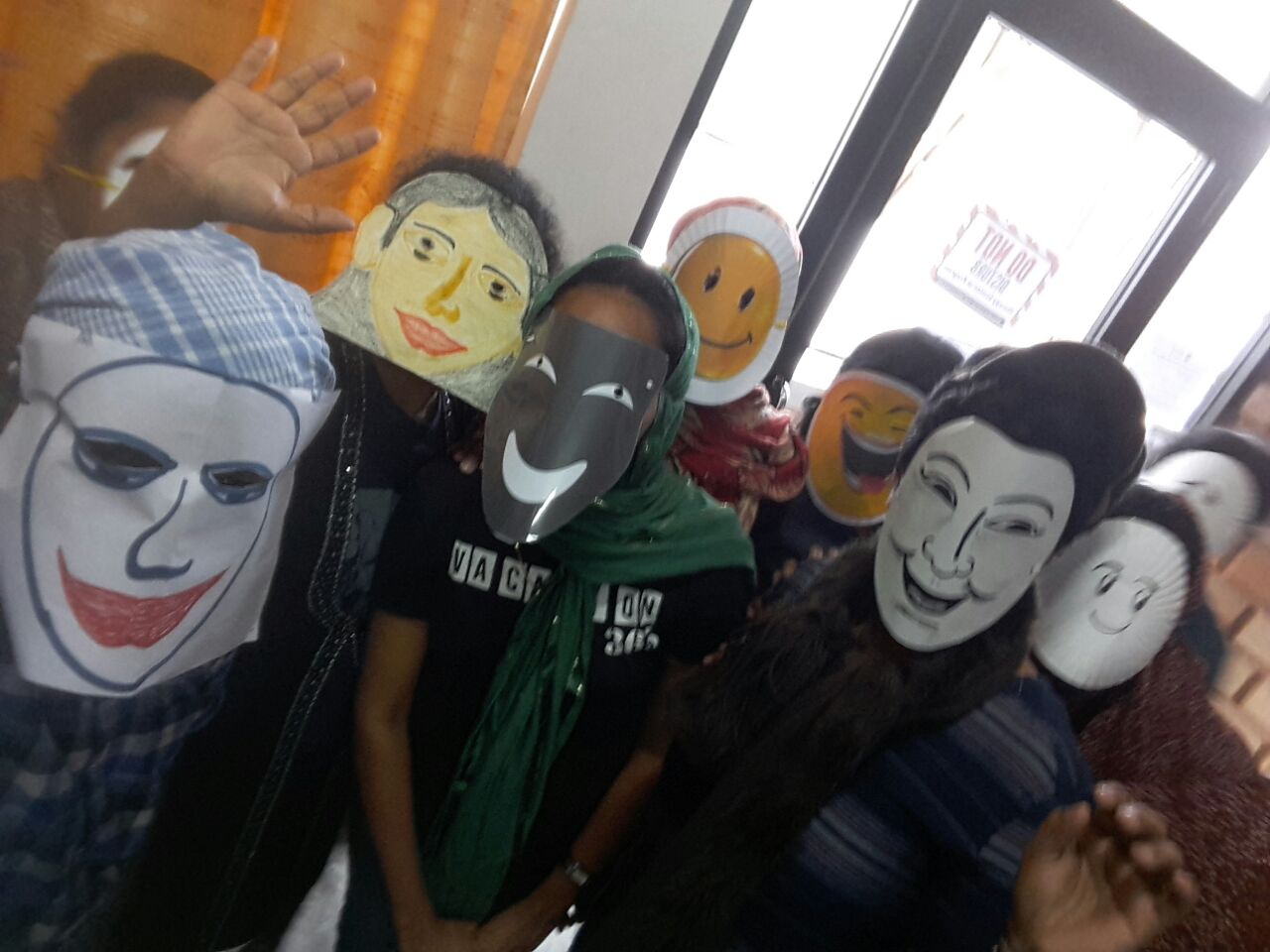
PLAYBACK THEATRE AND ITS THERAPY
Download pdf – PLAYBACK THEATRE AND ITS THERAPY
![IMG-20180304-WA0009[1]](https://srilankadramatherapy.org/wp-content/uploads/2018/03/img-20180304-wa00091.jpg)
Literature Review
DRAMATHERAPY AS A VIABLE INTERVENTION
FOR ADULTS WITH DOWN SYNDROME
IN SRI LANKA
By Ravindra Ranasinha PhD
Download pdf – Dramatherapy as a viable Intervention for adults with Down syndrome in Sri Lanka
THEATRE AND HEALING:
INFLUENTIAL THEATRE PRACTITIONERS
There were four main theatre practitioners who contributed to dramatherapy in the nineteenth century (Landy, 1994:7). They are Konstantin Stanislavski (1863-1938), Antonin Artaud (1896-1948), Bertold Brecht (1898-1956) and Jerzy Grotowski (1934-1999). Their ideas on healing through theatre were unconventional for their time and drew many interested audiences.
Konstantin Stanislavski
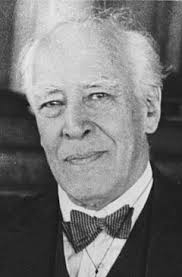
The work of Stanislavski was revolutionary at the time (1937). He defined the power that the unconscious would have in acting. In his approach, actors used emotional memory to portray authentic emotions in a character. Within this technique, actors had to closely connect their personal lives to their feelings portrayed in the character (Jennings, 1987:5). Stanislavski was very much interested in linking an actor’s inner thoughts and feeling to characters to make them appear to be more believable.
Stanislavski described creative impulses as being an inner urge that called for inner action (Stanislavski, 1977:151). This urge appears because of a need that is not yet satisfied. This impulse is an imagined emotional experience, which can be realised to a degree with external action. This action leads to inner or outer satisfaction of the desire (Stanislavski, 1961:45). A traumatised person may conceal many emotions. The urge to release these emotions and fulfil this unsatisfied need can be accomplished through action-orientated dramatherapy.
Stanislavski alleged that every action had a thought attached to it, which in turn was connected to the use of the heart (Stanislavski, 1977:169-175; Benedetti, 1999:182-183). The exterior action can therefore tell much about the inner emotions. This may be surprising to some participants in dramatherapy, as unexpected emotions reveal themselves externally. Stanislavski explains this experience as acting ‘inside-out’ (Stanislavski, 1961:48). This concept is explained further by Stanislavski (1961:45): “Conscious or unconscious objectives are carried out both inwardly and outwardly, by both body and soul. Therefore they can be both physical and psychological.”
The actor, when acting ‘inside-out’, reaches levels of creativity that extend into the unconscious. This is intuition that is only accessed through feelings. These feelings must be authentic and real in order to reach this state. This is not a trance-like state, but rather a pure and honest delve under life’s mask (Stanislavski, 1961:81).
Stanislavski (1977:28) illustrates characterisation as being a mask. The individual hides behind this guise of the character and safely bares his soul. Intimate details can be revealed because the mask protects the individual from feeling vulnerable. The simplest role-play in dramatherapy can have this same effect.
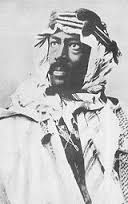
This ability of actors to express true inner-feelings through the character they portray is further supported by Mitter (1992:20). The characters in a play all have feelings that an actor can relate to and identify with. This is because aspects of his/her own personality are directly echoed. Dramatherapy implements this idea in allowing different participants to identify with the feelings of others, as they identify with the echoing resemblances.
The relationship developed with fellow actors takes the expression of feelings a step further as they relate to each other. Once the actor has focussed on his/her own performance s/he shifts the focus to the other actors in the cast. There is a ‘spiritual’ communion with his/her partner(s) in which they must adapt and fine-tune their quality of listening (Merlin, 2003:42). This communication between actors can change the way the actor relates to his/her own character role, and hence also his/her associated feelings.
It was observed by Stanislavski that an actor’s relationship with his role was distorted by another person’s opinion. The actor’s mind, will and imagination are all altered with such an encounter (Stanislavski, 1961:4). Dramatherapy discourages criticism, through its methodologies and active intervention from the dramatherapist, in line with this discovery.
The healing power of the Stanislavski method that can be significantly applied to dramatherapy occurs through genuineness, rather than through specific rehearsed actions (Mitter, 1992:43). Stanislavki’s ideas and desire to connect with the actor’s inner being link very closely to dramatherapy. His method is used as a strong link to the healing principles in dramatherapy that were incorporated in this specific study in chapters seven and eight.
Antonin Artaud
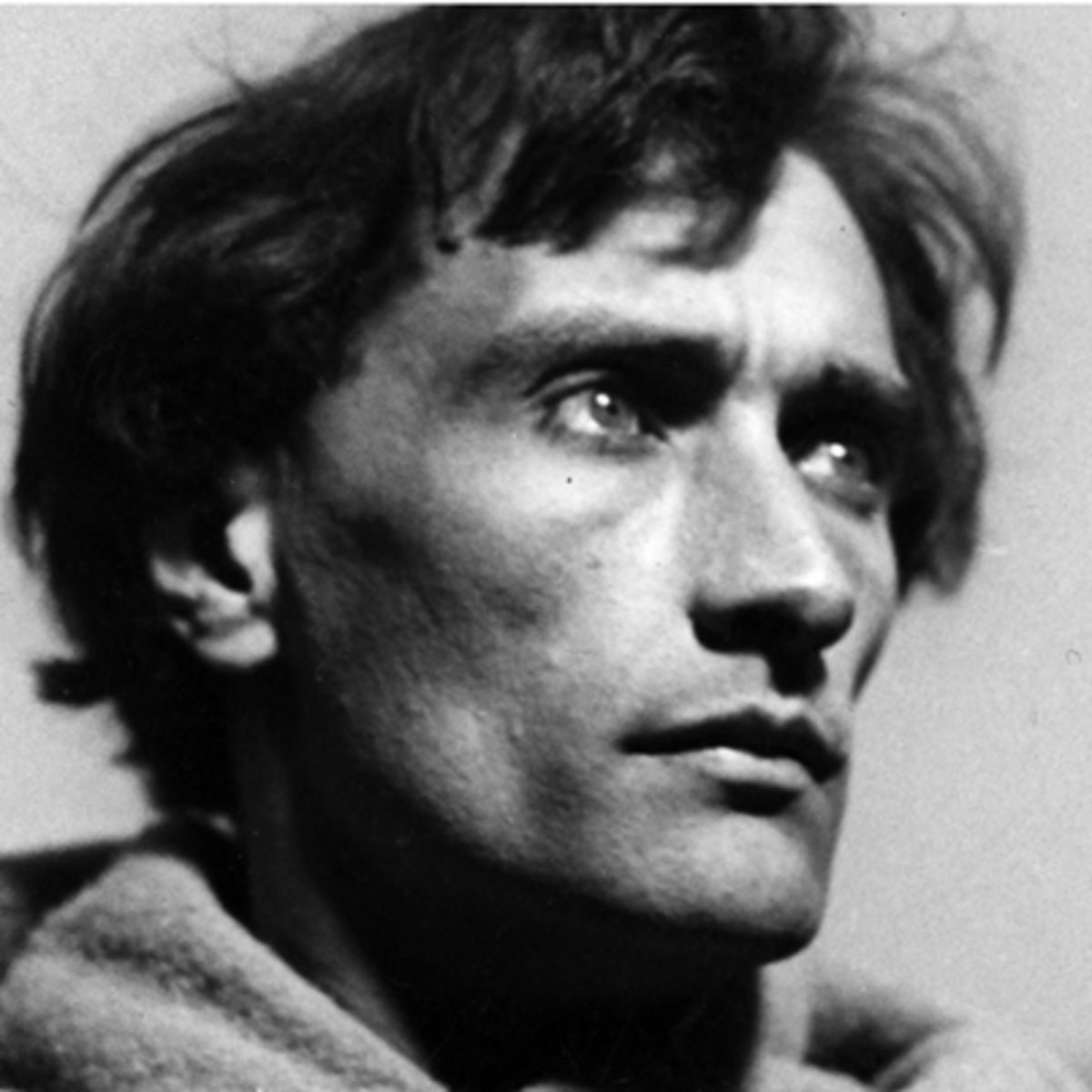
Artaud was an actor, poet, director and visionary. He created a new kind of physical and visual theatre in its time, which he called ‘Theatre of Cruelty ’. This form of theatre bares many similarities to the forms of Expressionism , Surrealism and Symbolism (Bermel, 1977:47; Rose, 1986:vii).
Theatre often expresses secret truths in an objective manner (Artaud, 1993:51). The elements of truth, that had previously been hidden, are uncovered through active gestures as the events of the dramatic story unfold (Bermel, 1977:21). Theatre includes gestures, signs, attitudes, stage sets, objects, patterns of word-sounds, other sounds, music, colours and movement in order to link itself to its expressive form potential. Using speech within the dramatic, expressive realm has a distancing power on material appearances, and in the same way it is able to impact on the mental and emotional state of the audience when the mind is relaxed or feels settled (Artaud, 1993:51-52; Bermel, 1977:21).
Artaud (1993:53) proposes that: “Any true feeling cannot in reality be expressed. To do so is to betray it. To express it, however, is to conceal it.” He further posits that a strong feeling leaves a person with an idea of emptiness within himself or herself. Eloquent language, in theatre, may be used to prevent this emptiness, but it also prevents poetry from emerging in a person’s thoughts. Therefore, alternative techniques can be used in theatre to awaken these feelings such as:
- a metaphor or;
- an image or;
- a form concealing what it implies to expose (Artaud, 1993:51-53).
The use of these techniques gives more meaning to the mind than a word can. Even the analysis or enlightenment of a word brought through speech cannot give to the mind what these techniques can. Artaud attempts to communicate psychologically with the audience using extreme sensory response and gestures, rather than communicating through words (Rose, 1986:vii).
When conveying feelings, Artaud believed that these feelings should be presented, through theatre, in a direct and immediate method that is understandable to everyone. Thus the feelings presented were those felt at that moment by the actor and not ones from the past or from a rehearsal (Bermel, 1977:14-30; Esslin, 1976:86). In the same way dramatherapy is focussed on current feelings rather than trying to delve into feelings that were felt at the time of an incident.
The actors’ performances were aimed at exposing the audience to their range of unconscious feelings. As opposed to just thinking about the performance, the audience was intended to feel it and live through it. According to Artaud (1993:66), theatre arouses a person’s atypical feelings, not yet verbalised emotions, and unindulged, dark passions. In the collective experience of actor and spectator, these feelings and passions that are toxic (leading to violence and anti-social behaviour) are removed through the performance, cleansing and transfiguring each person who is involved (Bermel, 1977:14-30; Esslin, 1976:86).
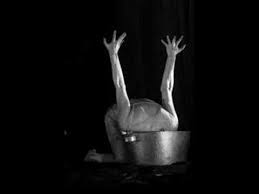
Artaud takes Aristotle’s view of theatre being cathartic further by insisting that theatre is a social necessity in order to purify people (Artaud, 1993:66). This ‘purification’, as it is named in this context, is also possible in dramatherapy. Through interaction as a spectator or participatory actor, toxic behaviour can be remedied (Bermel, 1977:14-30; Esslin, 1976:86).
When no limitations exist in theatre, a space for possibilities is opened up presenting much brilliance. Artaud constantly aims to address the senses and the unconscious whilst steering away from common sense. The spectator is taken through a range of extreme emotions in a dreamlike state of being. Artaud’s objective is for the spectators to face the worst that could happen through his ‘theatre of cruelty’ (Artaud, 1993:68-71). This is then followed by a refreshing release from it. The spectator should feel cleansed, transfigured, whole, healthy and happy with the terror and evil washed away. S/he shouldalso have a feeling of community as s/he is brought together with others for a larger health and wholeness (Bermel 1977:12, 18-28, 50; Barber, 1993:55).
Artaud alleged that theatre should involve ritual, as this was a natural form of his ideal picture of theatre (Artaud, 1993:72). He especially claimed that theatre should be brought back to its religious ritual origins (Esslin, 1976:86). Again this rings true to dramatherapy (refer to 2.2.13).
Artaud was greatly influenced by the work of Freud, especially Freud’s clarification on interpretation of dreams. Freud stated that man’s instinctive, impulsive and subconscious life had been repressed causing a sick society (Freud & Breuer, 1974:126). In the subconscious phase of being, people dream in a language that could be transposed into images. These images could then be read in the same way one would read hieroglyphics. Artaud attempted to reach into people’s subconscious and communicate on this level (Artaud, 1993:65). This attempt was believed to delve into the hidden, mysterious sources of a person through becoming more physical. The emotions that manifested through the body sensations are then true and real to the audience and actor in a physical sense. The calm senses are shaken through this experience and the compressed unconscious is liberated (Esslin, 1976:88-90).
Dramatherapy also takes on a physical approach as it attempts to reveal and access hidden feelings and emotions through movement and physical action. Since the metaphorical level in dramatherapy does not provide cognitive limitations, a participant in a dramatherapy session is steered towards this level of thinking and away from common sense. Although dramatherapy does not attempt to shock, as does Artaud’s ‘theatre of cruelty’, it shares the idea of being cathartic and bringing together community through the therapy experience. In this way it can be seen that Artaud’s ideas closely link to therapy and specifically dramatherapy.
Bertold Brecht
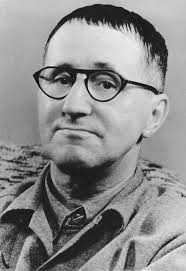
Brecht viewed Stanislavski’s theatre technique in action as compelling empathy from the audience. In his work, Brecht expected the audience to take responsibility for their thoughts and sentiments in a mature manner. He strongly alleged that the spectator must be able to master life without the theatre mastering or entangling him/her (Brook, 1968:72-73). As invaluable as Stanislavski’s ideas may be to dramatherapy, Brecht presents some valid points. Dramatherapy must allow those who engage in it to partake as much as they feel comfortable and willing to. It must allow them to master their lives through a conscious awareness (Mitter, 1992:42). This intention requires a special skill by the therapist and attention to the design and practice of dramatherapy techniques.
Bertold Brecht emphasises the importance of the ‘game-like’ quality of the proceedings of theatre. He believes that the audience should be given the freedom to decide if they do or do not want to ‘play the game’ in accordance with the rules that have been set by the characters in the drama. Dramatherapy finds importance in this fun, ‘game-like’ quality of theatre. Neither dramatherapy nor theatre directs a person’s awareness in a particular direction, instead ways are found of co-operating with the audience/participants to give reality to things that are only dared to be imagined. In so doing, the aim is for theatre to be a game rather than a technique. In this ‘game-like’ approach, the audience reaches unforced conclusions that are relevant to them (Andersen-Warren & Grainger, 2000:54).
Another technique that Brecht employed was alienation 64 . In this, the audience members are shocked in an attempt to result in their reasoning being sharpened and activated, and to source an objective truth (Brook, 1968:72). Brecht attempted to make the details that seemed obvious to the audience, become surprising and that which seemed to be self-evident become worthy of inquiry (Brecht, 1965:76-77). Something that appeared to be ordinary or familiar would be represented as something unexpected or peculiar. Likewise, dramatherapy is able to challenge the everyday comfort zones of its participants and transform these challenges into something striking (Mitter, 1992:44).
Brecht used Epic theatre in which the audience was compelled to make decisions. The theatre communicated insights rather than experiences and the audience was confronted with an event. The characters were subjected to investigation and man was conveyed as being able to change and make changes. The world is represented not as it is, but as it is becoming (Brecht, 1965:46). The similarities that run between Epic theatre (where the audience is subjected to situations and events that could be investigated and changed) and dramatherapy are considerable (Martin & Bail, 2000:25).
The unity of working with other actors on stage was important in Brecht’s mind. He expected the audience to see “artists working together as a collective (ensemble) in order to convey stories, ideas, virtuoso feats to the spectator by a common effort” (Willett, 1964:283).
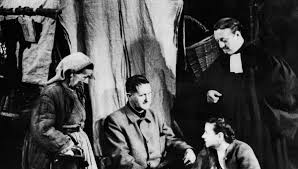
The realisations that occur in the spectator must be reviewed with an attitude of enquiry. If this was done, Brecht felt that theatre had fulfilled its purpose (Brecht, 1965:79, 105). Theatre was to encourage consideration and so help people to a happy end (Mitter, 1992:44).
Jerzy Grotowski
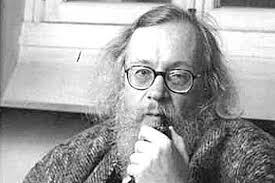
Jerzy Grotowski had much in common with Artaud both practically and theoretically. According to Grotowski’s outlook, theatre must transform the lives of the spectators and the actors (Jennings, 1987:7). Only if this occurs can the practice of theatre be justified. He also argued that theatre is a metaphysical force and called on his actors to extort the most expressiveness possible from their bodies (Esslin, 1976:101-102).
Grotowski posited that the art of theatre allows people to cross their own frontiers, surpass their limitations and to fill their emptiness and themselves. This also serves as a draw-card to theatre. The above-mentioned aspects are not immediate, but occur as a process in which the hidden, dark areas in people become transparent (Grotowski, 1968:21).
Theatre is identified by Grotowski as inspiring people to be challenged into struggling with their own truth. The extensive perceptivity of theatre promotes the peeling off of the life-mask. Feelings, judgement and vision that have become accepted stereotypes, are demolished and challenged. In this, the audience and theatre are both challenged (Grotowski, 1968:21-22). Thus it can be said that when a theatrical play is created in a dramatherapy group, that which is created can be challenged.
In reference to the life-mask , a conflict arises between the mask of lies that is worn every day and the real person. When discovering the self under the mask, the positive is confirmed so that when the mask is replaced, certain complexes may be released. This applies to a real mask used in theatre, but more specifically to the metaphorical mask (Grotowski, 1968:46).
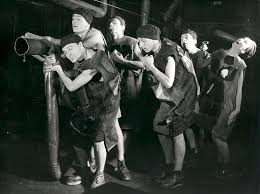
According to Grotowski, the theatre confronts collective subconscious fixations, which are inherited through various aspects of society. Grotowski (1968:42) describes these as myths that must be attacked. Dramatherapy confronts such ‘myths’ within the framework of a group. For example, in this specific study in the first pilot group that was run (refer to chapter seven), a young male participant who was taught by society not to cry concluded, “it is ok to cry”.
———————————————–
DRAMATHERAPY: THEORY AND PRACTICE
the-theory-and-practice-of-drama-therapy
——————————————–
DRAMATHERAPY FOR MARRIAGE COUNSELLING – A Qualitative Case Study
Download pdf – a-qualitative-case-study-dt-for-marriage-counselling
————————————————————————-
EPR MODEL OF SUE JENNINGS
Download pdf – embodiment-projection-role
POST-TRAUMATIC STRESS DISORDER AND DRAMATHERAPY
Download pdf – ptsd-and-dramatherapy
FROM 2015 ANNUAL REPORT OF SAMUTTHANA THE LONDON KING’S COLLEGE RESOURCE CENTRE IN NAWALA, COLOMBO.
From Samutthana Annual Report 2015
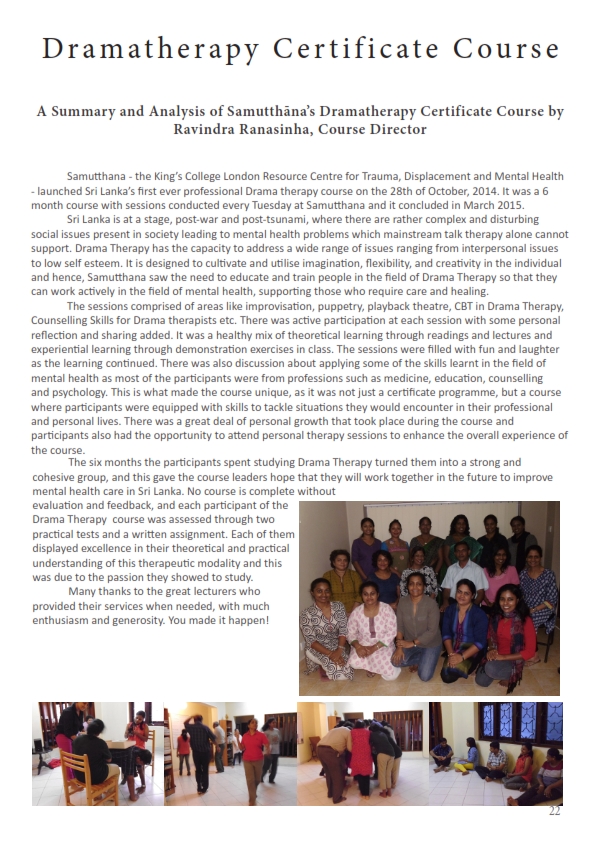
Click to access Samutthana_2015.pdf
—————————————–
ENRICHING COUNSELLOR ROLE THROUGH DRAMATHERAPY
By
Ravindra Ranasinha
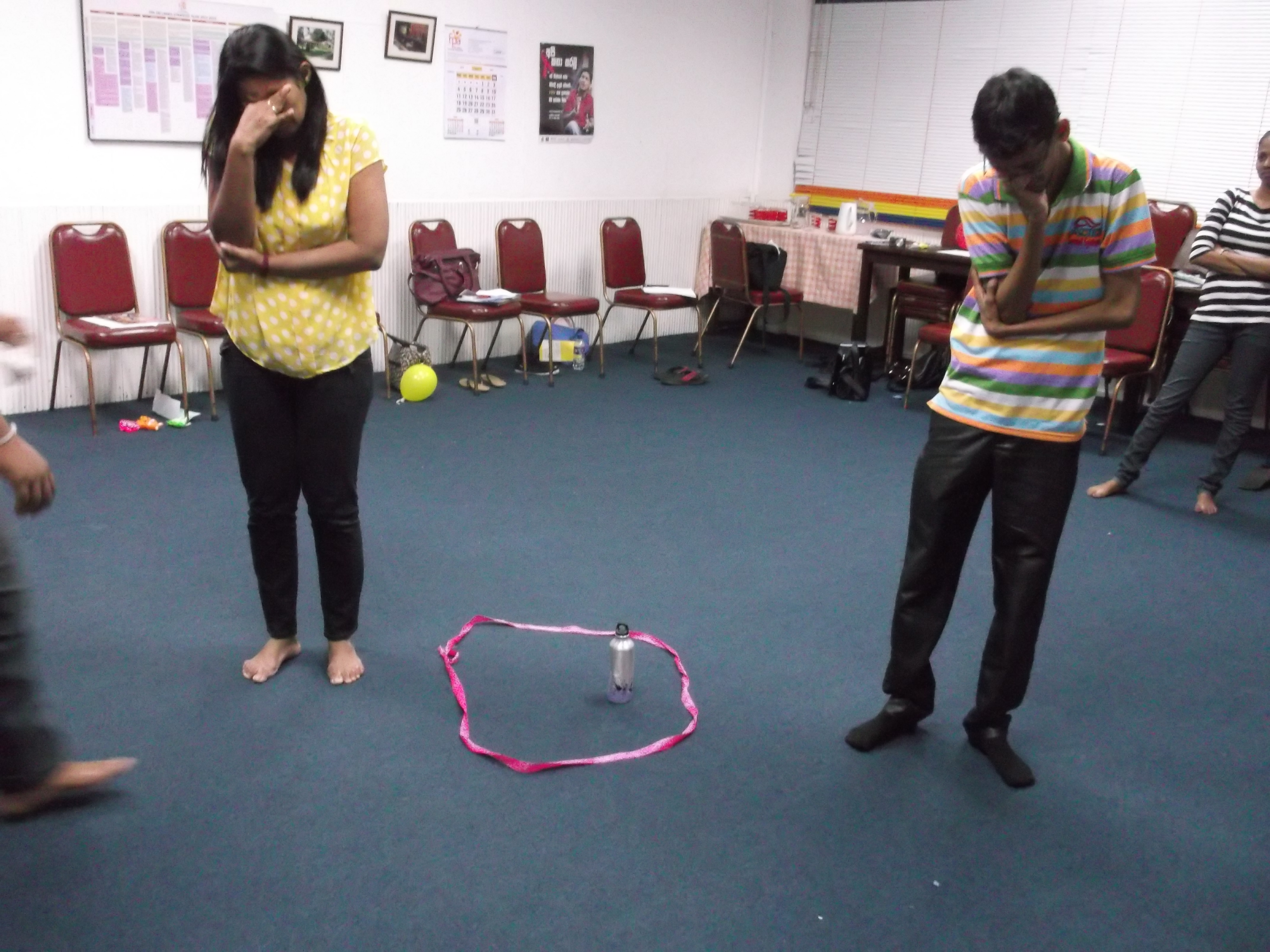
(The following is a condensed document of what was taught, practiced and experienced in three Dramatherapy workshops conducted by this author during the month of December, 2015. The participants were counselors from Ministry of Social Empowerment and Welfare. Family Planning Association organized these workshops with the aim of enriching the professional counselor).
Dramatherapy is an action-oriented psychotherapy. Since professional counselors are incessantly challenged by a myriad of problems that the clients bring, the counselors require finding ways that can help them to reach their clients in an effective manner. The effectiveness, in fact, arises from the tools they have in hand, and for that purpose dramatherapy is a rich source. Art, improvisation, imaginative journeys and many other dramatic tools help to commence communication and strengthen trust between counselor and counselee. As a result, the traditional talking approach will be desisted and new and fresh techniques can be tested out as effective counseling tools.
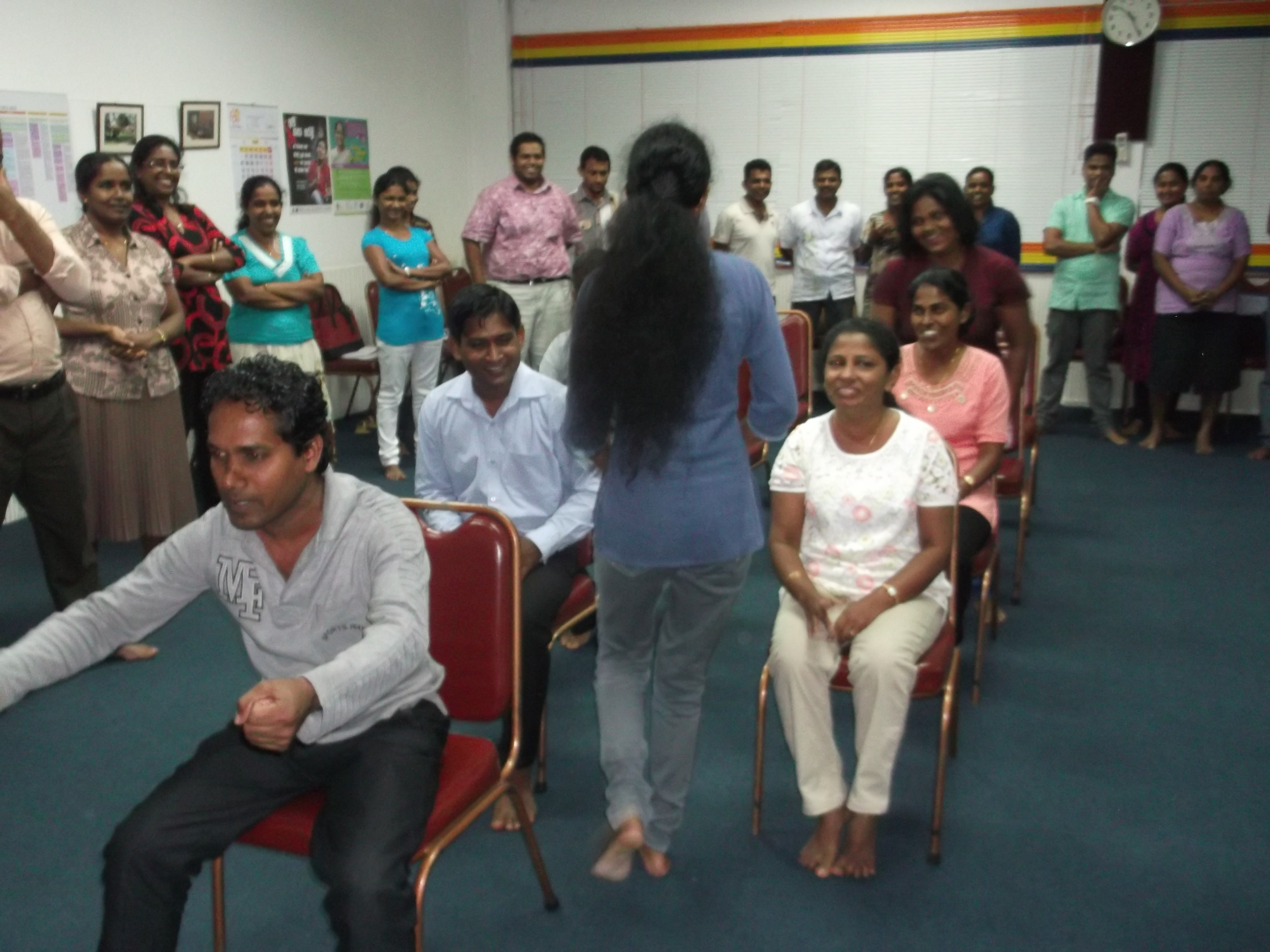
Counseling involves roles, relationships and communication, which is inherent in drama, and so there is no difference between the two fields. Further, drama and counseling have the following elements in common: problem, choice, crisis, climax, and resolution. These common elements reflect the essence of the process, which is critical in drama as well as in counseling.
Counseling can make use of drama in several ways:
- the issues can be expressed dramatically.
- clients can gain insight into their issues and themselves through spontaneous action.
- drama is effective in building relationships and creative involvement.
- drama becomes holistic in enabling the client to enact diverse roles experiencing her full range of emotions. It should be noted that communication is not only a linguistic expression but it is an emotional phenomenon in man, of which aspect both counselors and dramatists share in common.
In any setting, drama fits in many ways. It is play; it is acting-out; a creative and expressive art; and finally it is active and experiential learning. It was emphasized that ‘to play it out is the most natural self-healing measure that a person can afford’.
Play is a crucial part of social, emotional, and cognitive development. Clients continuously reorganize and integrate their experience through play, to form their sense of self and worldview. Play develops early in life, stimulates growth, and therefore health. Through play, clients learn to cope with conflict, solve problems, communicate, experiment with new behaviors, and show their feelings. Metaphor, which play is based on, provides a safe place for such experimentation and expression. Metaphor is the medium through which clients naturally think and express themselves anyway.
Clients love to engage in dramatic action. They often act-out, and especially the actions of the clients mirror their physical/sexual, cognitive and psychological growth and change. The various moods, behaviours and personality characteristcs are visible among them, and they need to express their emotions and a space and time to control them. In that sense, drama helps the clients to transform their mood and behavioural energies into better expressions and receive self control. Since the activity on stage is structured and at times improvised and spontaneous, in either way, space is provided for the client to articulate his feelings and give expression to what he thinks best of himself.
Drama can match a client’s experience in intensity and complexity, and provide a safe, accepting, organized environment for expression. We are in an inherent struggle with ourselves and often find help in arts. We see children engage in expressing their feeling through dance, drama, art, singing, music, poetry and storytelling. These creative tools help us to release our emotions, divert ourselves from our problems, relax our minds and bodies, and get in touch with ourselves and others. They reflect the individual’s development, abilities, personality, interests, concerns, and conflict. Art, dance, music are non-verbal expressions that help to reconcile emotional conflicts. They are also a process to further the cognitive, social, and physical integration of the individual.
Stories are strong tools in Dramatherapy to help a client to assimilate with characters, or to see mood changes and have a change in client’s outlook or behaviour. It helps to bring about insight into one’s self, situation, and relationships, a different perspective to consider, a sense of universality, catharsis by involvement in the story, and a set of novel behaviors. Children use metaphor as a safer way of telling his/her life story. It is developmentally typical for a child to tell stories about themselves, their friends, and their family, through imaginary beings. Children think in stories, learn through stories, and develop stories to make sense out of their experience.
All in all, Dramatherapy tools can be adapted to any developmental stage at which the client is functioning. Painting, drawing, sculpting, dancing, singing, playing, and often dramatic storytelling have no cultural barriers. Creative art stimulates the mental, physical, and spiritual facets of being.
The precise function of drama is just that—‘direct experience, transcending mere knowledge, enriching the imagination, possibly touching the heart and soul as well as the mind’. Drama or the ‘doing’ happens ‘here and now’. It is an active learning involving the whole being and all of its senses. Such active learning is motivating, fun, flexible, relevant, accepting, and open for risk-taking and error correction.
The use of a creative art such as drama—one that is social in nature, but also introspective in process, would help the ability to work cooperatively in groups; the development of a broad range of interests and abilities; social skills such as conflict resolution, self-control, the distinction between appropriate and inappropriate behavior; identification of changing personal and social roles; expression of feelings; respect for individual differences; decision-making and problem-solving skills; coping with peer pressure and setting personal boundaries; and friendship skills. These competencies could be achieved through the use of drama in group activities, and in individual and small group counseling.
In general, a Dramatherapy session is always structured with a warm-up, main development phase and a subsequent wind-down which ensures a close-up of the issues that came up during the session with clients. The vitality of the session is its psychotherapeutic quality in distancing the client from his hurt feelings and emotions. Participants are dramatically distanced from their issues with the use of theatrical methods, such as theater games, masks, mime, puppetry, movement, scripted scenes, performance, play and myth. This is termed as over-distancing. In the over-distanced forms of drama therapy, clients participate in activities that do not relate overtly to their own lives, but become a cognitive process of remembering the past. This process avoids the risk of re-traumatizing a client.
Dramatherapy makes use of Psychodrama and playback theatre processes when the client is prepared to personalize his issue. They are the under-distanced forms of Dramatherapy. The clients view themselves more directly and personally in this process, which is an affective process of reliving and re-experiencing a past event.
Psychodrama is the method of using improvisatory enactments for exploring psychosocial issues. There is a “protagonist,” who plays out his/her issue which surfaced in therapy that may need insight or solution. Aside the protagonist, are “auxiliaries” (also called “auxiliary egos”), who support the protagonist by performing a myriad of techniques, such as role reversal, the double, or the mirror. The psychodrama is facilitated by the “director,” or the trained leader. In playback theatre, therapists aim to create a safe space for the emergence of personal story and the creation of an effective therapeutic relationship. Playback teller shares her traumatic experience and enables others in the audience to speak of their own experiences and often to contribute a story that responds in some way to a previous one. This process enables an audience to become a community, and individuals can begin to speak to each other in a way that tests and transcends the usual notions of the boundaries between public and private, and between therapy and art.
Finally, Dramatherapy techniques have a great deal to offer—in individual and small group guidance and counseling. In counseling, it helps increase a client’s sense of belonging, power, and uniqueness. In group work, drama can foster cooperation, decision-making, and problem-solving skills. In guidance, it can be used to teach new behaviors, such as social skills, or characteristics of roles. The counselor can use dramatic presentations to better understand a client’s issues and concerns. Drama provides clients with a safe way to express thoughts and emotions. Its active involvement allows the client to concentrate, listen, observe, and share ideas. Participating in dramatic roles gives the client a chance to practice new roles and behaviors, and take on other people’s roles and in turn see from other’s perspectives. Dramatherapy can provide counselors with unlimited possibilities for intervention with children, adolescents and adults.
(For further reading: Ranasinha, R. (2013) Dramatherapy in Sri Lanka, Colombo.)
(This article cannot be published in any form without the written consent of the author. Contact details: ravindraranasinha@gmail.com).
——————————–
MAKING A CULTURE-ORIENTED DRAMATHERAPY (pdf document)
Download pdf – DRAMATHERAPY AS A FORM OF MODERN SHAMANISM
———————————————
Download pdf – SHAMANISM AND DEVELOPMENTAL TRANSFORMATIONS
———————————————
APPLICATION OF MYTH IN DRAMATHERAPY
Download pdf – THE APPLICATON OF MYTH IN DRAMATHERAPY
———————————————
HISTORY OF DRAMATHERAPY (pdf document)
Download pdf – History of Dramatherapy
——————————————–
PSYCHODRAMA AND DRAMATHERAPY (pdf document)
Download pdf – Psychodrama and Dramatherapy
———————————————-
Usefulness of embodiment in psychotherapy:
Dramatherapy applies neurosciences’s knowledge
about somatic memories
Kathleen OLIVIER-DEL VALLE, Clinical Neuropsychologist & Dramatherapist (France)
Making links between embodied pains and their psychological roots has raised passionate debates which have rightly remained unsolved. The link between psychological issues and somatic expression is of actuality from a long time ago and researchers have been many to write on psychosomatic diseases. For instance, Groddeck (1985) finds a psychosomatic root to any organic disease. It is demonstrated that a large part of memories is stored into somatic/emotional memories and therefore not accessible in verbal therapy. Following such theories, numerous therapeutic approaches have been invented to help treat those psychosomatic diseases. Somatic psychotherapists intuitively facilitate therapeutic changes with physical, embodied methods. To cite few names, Reich (1949, one of Freud’s student) followed by his own disciple, Lowen, created the bioenergetic approach that combines body and verbal work: paying first attention to ancient physical sensations and making them conscious, an analytical work completes to make links between the physical sensations and the personal history. In traumatherapy especially, body approaches appear necessary: Rothshild (2000) advises bringing the client to self awareness of expressions and sensations. Other approaches such as the Pesso method or Susan Aaron’s Psychodramatic Bodywork involve body work for psychotherapeutic purposes. Dramatherapy and Psychodrama are specific embodied approaches using stories, projection or metaphors additionally to embodiment to facilitate healing. All these therapies are used and developed worldwide, but how can we explain their usefulness and efficacy? Neuroscience has been making discoveries about the neuronal systems that help explain and guide these intuitive approaches. This paper presents the current knowledge to explain what makes such psychotherapeutic interventions efficient.
The need for embodied psychotherapies
When one comes to psychotherapy, it is many times because s/he couldn’t find the personal resources to bypass a life difficulty, to get over some pain that impairs the ability to enjoy life. Psychotherapists have been working to propose all kinds of approaches allowing the person to deal with his/her issues, to change one point of view, see a situation as less threatening, find new and more adapted ways to react to some circumstances. Verbal therapies are useful in many instances because what the person seeks is to be listened to, to see his/her issues being recognized, decrease the feeling of loneliness and also have another’s point of view on his issues that helps see new perspectives and solutions. At times however, talking about an issue isn’t enough and one may have fully understood where the issue comes from without being able to change his feelings or be overwhelmed by situations without knowing what is happening and why. Indeed, while we are an intelligent being and try to find explanations for everything, we also remain a being of flesh and blood; this is to say a big part of what we are and feel isn’t accessible to our understanding and we need to take this part into consideration to treat the being in its whole. A person describes a Psychodrama experience: “ Sometimes I wanted so badly to BE in the situation, but a life-time habit of being very self-conscious kept me from it. Sometimes, I suppose, I got caught up in the movement of the moment and was really there. I think having a lot of movement helped: walking and talking, not just standing ”
What I have just described may appear obvious to most of us because we experience it every day. This article proposes to explain the neurobiological reasons why we cannot intellectually access the world of emotions, and most importantly, why creative art therapies are solutions to permit changes at this non-verbal level.
Splitting of the verbal and emotional experience
In the case of traumatic situations, the body needs to react quickly to survive. It was discovered that the physiological reaction actually precedes the intellectual perception of the danger (Ramachandran, 2003). The sensory context retrieves the memory trace of this physiological reation through a “somatic marker” (ref to the somatic marker hypothesis, Bechara, Damasio, 1997). This conditioned reaction spares time and analyse before one can react. The whole reaction happens by itself, without us being able to control anything. Alas, in traumatic repetition, this is also what is relived. The traumatic response is triggered beyond conscious will and there is no intellectual control of the reaction. There is dissociation between the sensory and the conscious processes. This has for consequence that one may have created a perfect explanation for his reactions but the emotional reaction remains inaccessible to cognitive treatment…it is where sensory approaches are necessary. Gazzaniga (2002) demonstrates how the right hemisphere of the brain treats the event in a factual, sensory way while the left hemisphere acts as an interpreter. This implicit memory is different from a repressed memory and the lack of words is not in that case a need to forget (Schachter, 1987). For Ledoux (1996), this is the “true emotional memory ”. Dramatherapist Penny Lewis uses guesses at the counter-transferences issues that can be worked with through embodiment (Lewis and Johnson, 2000) as others work on understanding counter-transference through words.
The body has learned a specific reaction to a situation, so it is the body that needs to experiment a new way to react. Embodied therapies apply this principle. To understand, we may relate to conditioning theories: at the time of trauma, we create embodied memories that associate a situation to a reaction through our amygdala-based fear-memory system connected to our emotional system (the amygdala is necessary for the integration of emotional components and specifically in coupling emotional reactions of fear with learned sensory stimuli, Ledoux (1996)). The impact of emotional arousal on encoding is mediated by stress hormones through a pathway involving the amygdala and other areas like the hippocampus (involved in contextual memories). Under stress, the level of the hormone adrenaline increases and hypo-activates the hippocampus while hyper-activating the amygdala. Ledoux (1996) explains how this results in a memory being stored without capturing the experience into a context of words or symbols. The amygdala stores “free floating feelings of significance to sensory input” (Van der Kolk, 1994) that provoke strong emotional reactions in contexts beyond intellectual treatment. All those neurobiological actions happen in regions located in the ancestral parts of our brain that were used before we could interpret and try to control our reactions. For ecological reasons those conditioned reactions are quite resistant to change over time even if not always the most appropriate. Therefore, when a child powerless in front of a dangerous situation developed a defensive reaction, this reaction might remain as an adult even though he is now intellectually capable to face the event.
Embodied therapies enable the body to experience new physical reactions to contexts that were perceived as threatening; little by little these reactions become more appropriate. Psychodrama (Moreno, 1987, Blatner, 2000) is the perfect example of an embodied situation when one relives a past traumatic experience in a new and safe context. The person is given the opportunity to transform the reactions to the old experience, it is a “corrective emotional experience” (Alexander, 1946, Hartman & Zimberoff, 2004) where the principle is to “re-expose the patient, under more favorable circumstances , to emotional situations which he could not handle in the past” (Alexander, 1946).
Jennings (1999) explains how Dramatherapy allows the individual to re-experience each developmental stage and therefore “repair” past experiences that may have remained negatively remembered. A client describes: “ At first I was nervous. I thought about controlling what would happen. As I started to play I couldn’t think of any defenses anymore (like controlling the situation) because I got emotionally involved right away. (…). So there was anxiety in the beginning, then my actually feelings came out: shame, confusion, anger, sadness, feeling powerful and independent. After that, emptiness, calm, self-love.” In Developmental transformation (Read Johnson in Jennings, 1998), the client enters a playing space and encounters representations of one’s life but is able to manipulate his/her responses to the situation: the therapist adapts so as to comply to the client’s will and act the situation the way the client would like…hence the new feeling is really experienced: “ I suddenly stood up in the role of the father and defended my daughter. I hadn’t learned to do it in my own life (…); it gave me a practice. I don’t feel I was completely changed about how I am in a conflict but it surely took part in a long and subtle change that emerges in me (…). ”
Psychodrama adds to this physical transformation an intellectual analysis by the “talking period” after the playing time, during which the physical transformations can be integrated through discussions with the therapist (and other clients) in an intellectual process that completes the treatment (Hug, 2007). “This helped me to gain a better understanding of my response patterns, fear of confrontation, and opportunity to change my attitudes, and ultimately my behaviours in a particular situation. I think back to my experience in Psychodrama often, I felt a real shift in my attitude towards my relationship after I participated and played out scenes from my life. The areas where I was blocked or stuck in my relationship became clear as they were externalized”. In terms of treatment of the information, the right hemisphere is mostly involved in the intuitive process and the left hemisphere in the analytical treatment. In a normal functioning brain, there is integration of those left and right cognitive treatments (Gazzaniga, Ivry, and Mangun, 2002). If it could not happen in the traumatic situation, this integration can be done in the therapeutic space. Then the new reactions and thoughts can be transferred to real life.
The need for projection
Dramatherapy uses this principle of transformation of a situation but adds to it a distance that is sometimes necessary to permit the process to happen. Indeed, one can understand that reliving traumatic situations so as to transform them may be too hard for clients (children but also adults). Playing “in the skin” of the traumatized person may trigger such strong reactions that s/he is unable to change them. What Dramatherapy proposes is to work at a projectional distance. The use of puppets, stories, masks allows to be physically experiencing a situation without having to be at the center of the action. This is less threatening. At a neurological level, mirror neurons intervene (Ramachandran, 2006). Indeed, it was observed that when one watches an action, these types of neurons get activated so as to imitate what happens in the action being observed (these neurons may be the ones needed for empathy). So, there is a real neurological transformation without having to reexperience the traumatic action.
In my work with a client confronting issues of fear of death, masculinity and her relationship to religion, it was with small puppets representing God and herself that she could tackle this difficult relationship. For example, by interchanging the two puppets, she could experience powerfulness and freedom in a projected manner but with real feelings.
The use of metaphors
We discussed the therapeutic action of associating a new reaction to a past traumatizing experience. However, humans cannot be considered as such simple associative machines. It is not only the reaction but the meaning attributed to a situation that is the cause of pain and the target of psychotherapeutic work. The use of metaphors is a natural way to express feelings by poets (that we all are at times) and the natural bridge humans have found between emotions, physical sensations and ideas. When one expresses his/her reality through metaphors, the body actually gets transformed at a neurological level. The phenomenon of synesthesia demonstrates how two physical modes of perception can be associated by a neurological connection. For example, the famous writer Nabokov would perceive colors in the shape of letters, each letter having an appropriate color. The neurobiological basis for metaphors is supposed to be related to the angular gyrus that connects touch, hearing and vision (Ramachandran, 2005). It is that same principle that may associate a feeling and a word. By this natural way, new metaphors create new associations between a word or a concept, and a sensation. Siegel (1999) specifies that it is the right hemisphere that is involved in the non-verbal polysemantic meaning of words and understanding of metaphors, paradox and humor. A Psychodrama actor describes: ” I was asked to play myself as a little girl and sit on my father’s laps. I did it (…) but I felt so uncomfortable, as if I didn’t want to releasemy weight on him. (…) I realized the metaphor that I was “ a weight for him ”.” The patient described earlier (with the issue of religion) was suffering from psychosomatic symptoms keeping her hair from coming out her scalp. In Dramatherapy sessions, she intuitively used the symbol of cutting her hair in search for freedom and power. Creating the two puppets, she showed pleasure and care in making the hair of both characters. We can hypothesize that this sensory experience helped her get in touch with the emotional memories symbolically associated with hair.
This paper demonstrates how embodied therapeutic experiences impact individuals and change their cognitive, emotional and meaning-making ways to perceive the world. I hope it is an example of how neurobiology gives the most importance to each individual unique experience and help understand the extraordinary human coping with life.
Bibliography
Aaon, S. Psychodramatic Bodywork: http://youremotions.com/
Alexander, F., French, T.M., & al. (1946). Psychoanalytic Therapy: Principles and Application. New York: Ronald Press.
Bechara, A., Damasio, H., Tavel, D. & Damasio, A.R. (1997). Deciding advantageously before knowing the advantageous strategy. Science, 275, 1293-1295.
Blatner, A. (2000). Foundations of Psychodrama: History, Theory, and Practice. (4th ed.). New York: Springer.
Gazzaniga, M.S., Ivry, R.B., & Mangun, G.R. (2002). Cognitive Neuroscience: The Biology of the Mind (2nd ed). New York: Norton & Co.
Groddeck, G. (1985). La maladie, l’art et le symbole. Paris: Gallimard
Hartman, D. & Zimberoff, D. (2004). Corrective emotional experience in the therapeutic process. Journal of Heart Centered Therapies, 7, 2, pp. 3-84.
Hug E (2007) “A neuroscience perspective on psychodrama”. In Baim C, Burmeister J & Maciel M: “Advancing Theories in Psychodrama”. London: Brunner Routledge.
Jennings, S. (1998). Introduction to Dramatherapy. London: Jessica Kingsley.
Jennings, S. (1999). Introduction to Developmental Playtherapy. London, Jessica Kingsley.
Ledoux, J. (1996). The mysterious underspinning of emotional life. New York: Touchstone.
Moreno, J.L. (1934). Who shall survive? A new aproach to the problems of human interrelations. Washington, DC: Nervous and Mental Disease Publishing Company.
Pesso, A. & D., Pesso Boyden System Psychomotor: http://www.pbsp.com/
Ramachandran, V.S. (2003). The emerging mind: lectures 2003. London: The BBC Profiles Books.
Ramachandran, V. (2005). Brain region linked to metaphor comprehension. ScientificAmerican.com. http://www.sciam.com
Ramachandran, V. (2006). Mirror neurons and imitation learning as the driving force behind “ the great leap forward ” in human evolution. http://www.edge.org/3rd_culture/ramachandran/ramachandran_p1.html
Reich, W. (1949). Character Analysis. New York: Noonday Press.
Rothshild, B. (2000). The body remembers: the psychophysiology of trauma and trauma treatment. New york: W.W. Norton & Company.
Schacter, D. (1987). Implicit memory: history and current status. Journal of Experimental Psychology. Learning, memory and cognition, 13, 3, 501-518.
Siegel, D.J. (1999). The developing mind: toward a neurobiology of interpersonal experrince. New York: The Guilford Press.
Van der Kolk, B. (1994). The body keeps the score: Memory and the evolving psychobiology of post-traumatic stress. Harvey Review of Psychiatry, 1, 5, 253-65.
———————————————————————————
HOLISTIC APPROACH TO DRAMA THERAPY
Ravindra Ranasinha – Consultant Dramatherapist
The subject matter of this paper encompasses the dual role of drama, namely, its cathartic strength and the recent establishment of same as a healing modality. We will briefly examine the various roots that would place drama as a therapy. Our discussion will commence by looking at life as drama. Thereafter, our focus will be on ritualistic expressions, therapeutic theatre, experiments towards dramatherapy, and our current practice of dramatherapy in Sri Lanka as a holistic experience.
Unfolding life as drama
Drama is life. It is the unfolding or the blossoming of all existence. Life is manifested as energy. Man’s passion, urge, motivation, fervor or zeal is the innate energy in his composite, which communicates with all organic and inorganic phenomena around him. Hence, drama is the interaction, transmission and vibration of energies. The energy web, in which each one of us is a link, stands in its own magnificence. Thich Nhat Hanh in his book, “Peace is Every Step” (Bantam, 1992) explains that one does not exist ‘without’ the other, but one exists ‘within’ the other. In other words, there exist no two persons or two things, but only one. Duality has no place in life. Everything co-exists with the other and so we have to ‘inter be’ with every other thing, says Thich Nhat. As Moorjani describes ‘We’re all co-creating this world and our lives within it (Moorjani. A. 2013 p.141).’ The early man knew that he could not live alone. He had a deep connection with the natural environment. His instincts projected many metaphors in life through his art work in caves. The instinctual behaviour was later replaced by conscious activity. ‘Basis was thus laid for awareness of instincts, and man’s emancipation from blind obedience to instinctive, emotional stimuli; [man] developed conscious control over his actions, and a capacity to subordinate both external circumstances and himself to the tasks of overcoming obstacles in the way of attaining a set goal – in short there began formation of that feature of the thinking subject that we call will’ (Panov G. Victor, 1976 pp.116-117). This will or the logical thinking shook the base of man as an ‘inter-being’. He started talking in terms of ‘I’ and ‘Thou’. It nurtured the egoist who relentlessly challenged his own being and others around him, causing chaos. The ‘chaos’ pervaded not only on Earth, but in the outer space, too. Ironically, it has re-imaged man as a super-hero, and his actions have been glorified as developmental stunts. Structural justification to this behaviour is done in the name of economics, culture, education and politics. These structures have their norms, patterns, traditions and rules to make man rigid, deformed and inflexible. This static world is the politic of man’s personal mythology, making him to wear diverse masks representing his many personae, as in Greek theatre. The story of victim emerges with this mythology, entailing mental hospitals, prisons and many other corrective institutions (Ranasinha, R. 2013 p.40). The mythic image of man is a politically designed act. It provides man with an oversized figure to build his farce about the selfish and greedy man. Today, this farce is becoming more and more popular with States acquiring States and Religions acquiring Religions; Ethnic communities intrude into others; there is ‘take-over’ of industries and organizations; Education has finally made child’s life chaotic. Thanks to this chaos, psychologists, pharmacologists, and therapists are provided with enough jobs.
Ritualistic and Metaphoric Expressions
Emotional expressions of early man, as we mentioned earlier, is vividly portrayed in cave paintings. Archeological records that run up to the Upper Paleolithic period marvels us today as to the bursting of these symbolic and metaphoric expressions (Lewis-Williams, 2002). ‘…at certain epochs man has felt conscious of something about himself – body and spirit – which was outside the day-to-day struggle for existence and the night-to-night struggle with fear; and he has felt the need to develop these qualities of thought and feeling so that they might approach as nearly as possible to an ideal of perfection – reason, justice, physical beauty, all of them in equilibrium. He has managed to satisfy this need in various ways – through myths, through dance and song, through systems of philosophy and through the order that he has imposed on the visible world’ (Clark, K. 1969 p.3). What the primitive man had with him was not for the rational mind. His behavior did not require reasoning. All actions were instinctual to understand his place within his surroundings. It is in this process that man created the wealth of art we now marvel at. Cassirer (1979) states that “In primitive societies, the whole life of which is governed by magic and ritual, we indeed find no clear concept of individual obligation or self-responsibility. Not the individual but the group is the real ‘moral subject.’ The whole tribe, the clan, and the family are responsible for the actions of all their members. If a crime is committed, it is not imputed to an individual person. The whole group becomes infected with the crime, through a sort of miasma and social contagion. Revenge and punishment are also directed to the group as a whole” (Cassirer 1979). It is in this vein we could view Kuveni’s curse on Vijaya and his clan. According to the Maha Vamsa (Great Chronicle – 543 BCE), Vijaya who came down from India married the Yakka princess Kuveni, and with her help vanquished Kuveni’s people. Later, Vijaya betrayed Kuveni to bring down princesses for him and his people from North India. Kuveni became a victim of circumstances. Her revenge came as a curse on Vijaya’s clan. The curse had its horrendous impact on Vijaya’s successor, King Panduvasudeva who fell into utter misery on seeing dreams that caused sleeplessness, frustration and fear. Relief to the King and his clan was gained by resorting to mysterious forces and acts. Thus the ritual Kohomba Kankariya emerged as an exercise of exorcism. It also brought a balance between good and evil forces into line with man’s own intentions, and established harmony with them. It was a conscious act in establishing a sensual experience of good and evil, the beautiful and the ugly, etc. – that is to say the beginnings of ethical, aesthetic, and other intellectualized feelings; albeit in still undifferentiated, synchronic forms. All rituals that are extant in Sri Lanka, namely Kohomba Kankariya, bali, thovil, gam madu, devol madu, sokari and kolam reflect this synchronicity and man’s effort to see life through signs and symbols (Ranasinha, R. 2013 p.43). As Woodhams identified “art could be said to have evolved to give account of those ‘special’ experiences which cannot be expressed in the language of the ordinary and the everyday – that demanded a form and ‘language’ that was correspondingly ‘special’ and ‘outside’ the mundane” (Woodhams, 1995 pg. 153). Emergence of art can be directly linked with ritual that became the arena for man to socialize and establish healthy relationships. The mirth surrounding the ritual and the ensuing relationships heal man of all his agonies and worries.
Growth of Therapeutic theatre
By 534 B.C., the Greek ritual metamorphosed to a formal theatrical practice. Thespis took this giant step, but was found guilty by Solon, the legislator who witnessed Thespis acting. He queried him why so much ‘lies’ were told before such a number of people. In reply Thespis said that it was no harm to do so in a play (Nagler, A.M. 1952 p.3). Hence, Thespis transcended ‘reality’ by making use of his ‘theatrical’ space to cause either laughter or sorrow. For Plato, arts disturb the minds of the spectator. His greatest pupil Aristotle contrived a way to establish the value of arts. According to him, art is not destined to stir and arouse our emotions. Such art, especially the art of tragedy, shows us the opposite effect. “We see in the case of the sacred songs,” says Aristotle in his Politics, “that while usually their effect upon the mind is a sort of intoxication, yet when they are heard by persons in ecstasy, these are calmed, as though they had gone through a medical cure and a catharsis” (Cassirer, 1979 pp.198-199).
Catharsis did not only help the individual spectator but also enabled to share his cathartic experience with others in the audience. This caused a greater release of emotions, assisting the spectator to have a balance in him. This adjustment can be considered as a complete change of community attitude. Healing and harmony thus occur with the release of negative emotions, as explained by Boal (Boal, 1985). In the early periods, the physicians saw the value of drama as a therapeutic tool. A second century Roman by the name of Soranus was of the view that to cure mentally ill patients they must be exposed to peaceful surroundings where plays are read, discussed, and even participate in the productions. In this manner the physician thought that their thinking can be sequenced and even depression can be managed (Cockerham, 2000). Another Roman, Caelius Aurelius went a step further, and in his treatise On Acute Diseases and on Chronic Diseases, states that to achieve emotional balance, patients should visit the theatre. His thought was that by enabling the patient to visit theatre, his emotions will be countered by the opposite emotions. So for depression one must see a comedy. For mania or hysteria one has to watch a tragedy (Jones, 1996). The therapeutic ability of drama was visible throughout the history of theatre and dramatists looked at it with certain vitality.
Brecht who was anti-Aristotelian used his epic theatre to help the spectator to explore his thoughts and actions and generate new states of mind and behaviours; reinforcing new brain connections, new social connections, and new understandings of themselves and others. The dramatic expression brought by Brecht as well as others (Eve Ensler’s Verbatim Theatre and Augusto Boal’s ‘Theatre of the Oppressed’) helped to promote discussion, provoked socio-cultural traditions, and made the stage available for neglected or marginalized groups of individuals and ideas. Long before Brecht, many other dramatists worked as social activists in order to bring social reforms. In 1889, Jane Adams implemented theatre activities to help immigrants to socialize and build social connections. Her drama activities were termed as ‘Lines of Activity’ which included courses, lectures and group experiences that brought culture, education and social connection. The skits produced in her drama clubs enabled the participants to share their experiences (Jackson, 2001). Neva Boyd was another active sociologist who helped children to improve their skills on language learning, problem-solving, confidence building and social skills. She commenced Recreation Therapy and Educational Drama movements in the United States. Dramatherapy emerged when Boyd’s techniques were further developed by her student Viola Spolin (Spolin, 1963). Spolin’s influence towards theatre as education made drama therapists to explore on many therapeutic processes that are of benefit to young children. Such exploration did not stop with educating children but extended towards other communities in an intentional manner, and drama therapy took its roots as a force of social change.
Experiments towards dramatherapy
In 1945, for the first time, the term dramatherapy was used in print by Lewis Barbato (Casson, 2004). However, it was the Viennese actress Gertrud Schattner who popularized the term dramatherapy and provided the impetus to create a national institution in the United States (Reiter, 1996). Gertrud together with her husband Edward, a psychiatrist working with refugees and survivors of Nazi concentration camps, were able to work with people under utter desperation, depression and despair. It was Edward who invited Gertrud to work in the sanitarium to do drama, storytelling and poetry to bring those people back to life. Initially, Edward failed in healing the hearts of those people, even though he healed the bodies. When Gertrud joined him, her activities were something special which she called dramatherapy (Schattner, 1981). Her untiring efforts finally paved way for the forming of the National Association for Dramatherapy in the US in 1979.
The European roots of dramatherapy can be found in the work of Peter Slade who introduced the new modality to British Medical Association way back as 1939. Slade worked with children who were emotionally disturbed, and supported them to have physical control, confidence, observation skills, and abilities to be tolerant and considerate towards others. In a pamphlet entitled ‘Dramatherapy as an Aid to Becoming a Person’, he speaks of what he and others were trying to achieve (Jones, 1996). Another early pioneer, Sue Jennings, called her work ‘remedial drama’ (Jones, 1996). Later, she focused on ritual and started to refer her experiments as ‘dramatherapy’ (Jones, 1996). According to Phil Jones (1996), the Russian dramatist Nicholai Evreinov created a method called Theatrotherapy which focused on the internal and psychological processes involved in acting to create healing and well-being in participants and help them re-frame or re-imagine their difficulties into a new way of life. Another attempt was made by Vladimir Iljine who used theatre games and improvisational training to encourage flexibility, spontaneity, expressiveness, and communication abilities. This was before the Russian Revolution, and his methods were used with individuals and groups under many situations and locations such as psychiatric patients, people with emotional unrest and performers in the theatre. Sally Bailey (2009), a prominent dramatherapist from the US, records of storytelling techniques utilized by the Russian Nikolai Servevich Govorov to help psychiatric patients and others develop social connections, self-confidence, and socially appropriate behaviour.
Russian dramatist Constantin Stanislavski’s experiments made theatre a psychological art. His actor training methods have become strong tools in the hands of educators and professionals of psychotherapy (Blair, 2002), who deal with the emotional aspect of a person. His theory of Magic IF is the core of much research connected with neurology and brain processes that attempts to see the connection between body and mind.
The name that we cannot avoid when discussing dramatherapy is Jacob Levy Moreno who created psychodrama, sociodrama and sociometry (Johnson in Lewis & Johnson, 2000). Moreno, as a physician (1889), developed sociometry; a method of assessing the social choices made within a group by its members and then intervening in a systematic way to create social change (Garcia & Buchanan in Johnson & Lewis, 2000 pp.162-195). Using role play and improvisation he tried to help displaced people and destitutes to find solutions to the problems they faced. Later this practice came to be applied on those with serious personal, emotional and social issues and was named psychodrama. Psychodrama has become part of the dramatherapy toolbox, and therefore all that was experimented by Moreno is a wealth for a dramatherapist.
Practitioner Phil Jones (1996) states that ‘dramatherapy is involvement in drama with a healing intention. (It) facilitates change through drama processes… to express and work through problems … or to maintain a client’s well-being and health’. Sue Jennings as a pioneer defines dramatherapy as, “the specific application of theatre structures and drama processes with a declared intention that it is therapy.” (Jennings. S. 1994). In order to support their thesis, they looked into the field of Educational Drama and saw how new cognitive networks can be established with the power of the dramatic processes; and how the participants are made to experience significant change and transformation with such processes. These practitioners worked within a pedagogic paradigm and developed a theoretical model of the way the process worked to bring about the desired change in the person.
Thus the focus of dramatherapy work as a clinical practice is on the ‘client’ who regularly attends therapy sessions, to work seriously and hard on his problems, until the ‘client’ no longer needs this support and is relieved of his symptoms. However, the usefulness of dramatherapy is not confined to the medical conditions, and to regard it as a treatment for specific psychiatric conditions is seriously to limit its value by ignoring its flexibility. The flexibility of dramatherapy comes from the fact that it is based on a fundamental human principle – the way in which we use imagination to transform and humanize the world we live in (Anderson-Warren. M. & Grainger. R. Practical Approaches to Dramatherapy 2000 p. 218 & 222).
Current Dramatherapy Practice in Sri Lanka
In Sri Lanka, our dramatherapy practice is underpinned by the spiritual teachings in Buddhism, Zen, Tao, yogic practices and by the wide variety of signs, symbols, and concepts pertaining to folk religious or belief systems. They are directed to cure the inner wounds through restoration of balance and harmony in body, mind and spirit. Psychiatrist R.D. Laing regarded much mental illness as spiritual in origin. He insisted that it is often a sign, not of disintegration, but of an attempt at reintegration into the larger whole; a spiritual striving often misunderstood, misrepresented and thwarted. Victor Fankl, Carl Jung and Roberto Assagioli are among many noted psychiatrists who also view mental illness as a failure to find meaning in life or to acknowledge and satisfy spiritual needs.
Currently, within the fields of psychiatry and psychotherapy there is widespread acknowledgement that failure to meet physical, psychological or spiritual needs may result in physical or mental illness; and in a great deal of pain, discomfort and distress, not only for the individual concerned, but also for those around them. Much of this could be avoided if their needs are met in ways that support a strong connection between body, mind and spirit; enabling the person to experience his wholeness by eliminating the root cause (Graham. H. 1993).
In the Sri Lankan context, man becomes more silent than expressive at times of difficulty. He places immense importance on emotions rather than on words. It becomes futile to hit hard on the person’s issue in the name of therapy. Buddhist and Hindu philosophies view thought as the seed for all imbalances and such philosophy has the innate strength in talking to the subconscious of man for an immediate recovery. The plethora of spiritual concepts such as karma, vasana, re-birth, niravana and moksha support man in his recovery process (Ranasinha. R. 2013). It is an unquestioning faith that acts as strength to change man’s attitude and behaviour. Undeniably, the mystery of man lies in this mythic framework of meaning. The myth becomes the spirit of man, and entwines with the body and mind to give an expression of totality. In our dramatherapy sessions, participants bring their complete being to experience interaction, communication, expression and creativity. They drop all narrow medical labeling. Especially the rigidity of attitudes and behaviour that makes man labeled as abnormal disappears with the ‘fluidity’ he achieves through the creative strength of dramatherapy. The safe and non-judgmental space in our dramatherapy sessions help creative living for those who lived restricted, confined, ‘small’ lives.
As a teacher in several secondary schools in the island, I saw the many limitations children face, suppressing their creativity and crushing the child within. Since the educational system does not value drama as an important educational and academic tool, the creativity of child does not receive space to blossom. The work I did in my drama and language classrooms showed me how crucial drama is in the developmental, educational, recreational and therapeutic spheres of a child’s life. I touched on child’s imagination and creativity by providing space for improvisation. Poems and stories helped the child to immediately move into imaginary worlds and see diverse relationships, by interacting with other characters. It is a stress-relieving activity and rejuvenates the child. He finds a space to rehearse skills and behaviours that may be of help in any stage in life. As children love to act, they mirror each other and make careful observations of the language, behaviour and actions of others. Drama is an innate learning modality that enables the child to develop his personality and self-image.
Mirror Learning Approach is an effective dramatic tool used to stimulate the respective brain areas to develop cognitive skills, improve socio-emotional understanding and enhance motor skills. Those children who are neglected, isolated and with developmental disabilities are immensely supported through this research we have done in our practice. The mirroring activities make the mirror neurons create many pathways to connect brain areas that would stimulate and enable the child to act with more solid problem solving resources in his school and social life (Ranasinha. R., 2013). Children love to move through an imaginative ‘as if’ space which is a transitional space for them to experience becoming kings, queens, birds, butterflies, flowers and dragons. It is a vast transformation from within, and allows the participant to see the metaphors that signal towards real life incidences. Fiction or metaphor enables reflection of reality, helping the participant to see links with past experiences, thereby transforming his inner image, healing from within and achieving a change. It is a shift that the person takes by taking new roles and creating insight to become a new being. The creative atmosphere allows the participants to share, compromise, listen, respect, accept, love and believe the other. The safe environment promotes better relationships and generates supportive networks, and is non-judgmental. It wipes all fears strengthening man to face the reality (Ranasinha. R., 2013).
Our holistic practice in dramatherapy can be seen through the following stages: The initial Soul to Soul stage is the welcoming stage with activities of inclusiveness, acceptance and empathy. The second stage is the Breathing stage. Breathing helps to relieve one from tensions and purifies the blood flow. Breathing connects with the sounds that remove all blocks. All negative vibrations that had got solidified inside the body will have their release with these breathing and sound activities. Next Meditative stage. This helps the participants to drop all mind-work and concentrate on activities that bring positive vibrations. Some activities are,
- Meditative drawing.
- Music in different vibration levels to stretch, bend and roll.
- Gut exercises using games to strengthen interaction and build relationships.
- Imaginative journeys.
Next, stage for Discourse. Life enriching discussions towards creative living. Finally, the Samadhi stage. This final stage focuses totally on silence. The participants will be requested to stay silent – outward as well as inward – for fifteen minutes. They will be dispersed at the sound of a gong. This is the Aum stage where no other sound from the outside world could disturb the strengthened inner being of the person. The above process takes into account the total energy flow within man. Body being the container of all energies, inclusive of thought waves, functions as a mirror, reflecting the internal processes. Any disruption that occurs internally to the smooth flow of energy causes mental and physical disorders. A chronic imbalance in tissues and organs created through such disruption can produce neurotic responses and certain characteristic patterns of muscular expression and posture. As the psychotherapist Wilhelm Reich says, emotional and psychological ways of relating to the world are reflected physically in the body, and vice versa. Riech viewed the organism as a unified whole that reacts as a totality to various influences rather than solely mentally or physically (Graham. H., 1993 p.192). Accordingly, the holistic dramatherapy approach ensures a smooth energy flow for the rebalance of body, mind and soul. It ultimately brings mirth to the fore and make living a creative experience.
Conclusion
Drama is life that unfolds in every second. Since man has trapped himself in the sphere of sensory stimulation, he is faced with many challenges and living has become a struggle. The primitive man co-existed with nature as he was guided through instinct, however, the gradual growth of the inquisitive mind made him to take nature under his control. Such struggle took a very sharp turn since man became a slave of his own inventions and fears. It led to many psychological and physiological deformities that called for a gamut of treatment modalities. Right throughout the history of theatre, this dramatic experience of man has been mirrored and taken up for discussion. Theatre became a ground to let the spectator dialogue on his issues openly and let go of all tensions. The role of the dramatist as a change agent and a ‘fortune-teller’ cannot be underestimated. All stories on stage predict of what man will experience in the future and they function as a cathartic process. Accordingly, drama turns to be an arena to look for alternatives in causing the mental and physical well-being of man. First, psychodrama and then drama therapy emerged to appease man of his distress and agony through dramatic processes, touching on symptoms and helping the client to return to normalcy. In order to transcend the symptomatic pathology, a holistic approach towards dramatherapy is practiced in Sri Lanka using the valuable teachings in the East. This enables the participant to experience an inner transformation in a creative and a non-judgmental space. Further fortification of this practice is made with the support of the recent developments in the field of micro-biology and the Tibetan and Indian systems of healing which are directed to achieve the flow and balance of energies within the person. As the current socio-political and economic conditions challenge man in manifold ways, strengthening him from within to creatively re-write his story is the immediate task of dramatherapy.
Bibliography
Bailey. S. 2009 Drama Therapy as A Staging Ground For Life. Retrieved on 10th November 2013 from http://www.dramatherapycentral.com.
Blair, R. (2002). Reconsidering Stanislavsky: Feeling, feminism, and the actor. Theatre Topics. (12), 2, 177-190.
Boal, A. (1985) Theatre of the oppressed. NY: Theatre Communications Group.
Cassirer, Ernst (1979) The Educational Value of Art. In D.P.Verene (ed.) Symbol, Myth and Culture. New Haven and London: Yale University.
Casson, J. Tribute to Peter Slade, read at Peter Slade’s funeral, June 30, 2004.
Clark, K. (1969) CIVILISATION: A Personal View. British Broadcasting Corporation and John Murray, London.
Cockerham, W. C. (2000). Sociology of mental disorder. Englewood Cliffs, NJ: Prentice Hall. Garcia. A. & Buchanan.D.R. (2000) Psychodrama. In P. Lewis & D.R. Johnson (Eds.) Current Approaches in drama therapy. Springfield, IL: Charles C. Thomas.
Graham. H. (1993) The Magic Shop, Samuel Weiser, York Beach, Maine, USA.
Jackson, S. (2001). Lines of activity: Performance, historiography, Hull-House domesticity. Ann Arbor, MI: University of Michigan.
Jennings, S. (1994) “What is dramatherapy? Interviews with pioneers and practitioners” in Jennings et al. The Handbook of Dramatherapy, London, Routledge. Lewis P. & Johnson D. R. (Eds.). (2000). Current approaches in drama therapy. Springfield, IL: Charles C. Thomas Publisher.
Jones, P. (1996) Drama as Therapy: Theatre as Living, London, Routledge. Lewis-Williams, D. (2002). The mind in the cave: Consciousness and the origins of art. London: Thames & Hudson.
Moorjani. A. (2013) Dying To Be Me, Hay House, New Delhi, India. Nagler, A.M. (1952) A Source Book in Theatrical History, Dover Publications, New York, USA.
Panov G. Victor. (1976) Emotions Myths and Theories, Progress Publishers, Moscow, USSR.
Ranasinha, R. (2013) Dramatherapy in Sri Lanka, Colombo, Sri Lanka.
Reiter, S. (1996). Honoring Gert Schattner. Dramascope (14), 1, 1, 3.
Schattner, G. & Courtney, R. (1981). Drama in therapy, Volume One: Children, NY: Drama Book Specialists.
Spolin, V. (1963). Improvisation for the theatre. Evanston, IL: Northwestern University.
Woodhams, L. (1995). The ethics of art – An exploration of the role and significance of art/artists in health care settings. Brisbane: Unpublished Thesis, Queensland University of Technology.
Ravindra Ranasinha has over eleven years’ experience as a dramatherapist working with children, adolescents and adults under severe trauma, people with developmental and physical limitations, and individuals struggling with psychological and behavioural problems. Currently he is making a substantial contribution to develop the field of Drama Therapy in Sri Lanka. His holistic approach has helped many to sustain their mental well-being. His book ‘Dramatherapy in Sri Lanka’ is a pioneering document that empowers people to seek alternatives to enhance their wellness.
Ravindra’s contact details: Tel: 0094719839507 Email: ravindraranasinha@gmail.com
———————————————————————————
DAILYNEWS ARTICLE ON RAVINDRA RANASINHA’S VISIT TO INDIA.
http://www.dailynews.lk/features/thespians-and-therapists

http://www.thehindu.com/features/metroplus/the-therapeutic-effect/article5240355.ece KOCHI, October 16, 2013 The therapeutic effect ESTHER ELIAS
Sri Lankan theatre activist Ravindra Ranasinha. Photo :Thulasi Kakkat
Sri Lankan theatre activist Ravindra Ranasinha advocates the use of theatre as therapy. He says that he is working to take dramatherapy beyond a clinical practice The appeasement of human conflict is at the centre of everything Sri Lankan theatre activist Ravindra Ranasinha does. Through his 25 years translating and directing plays in Sri Lanka, he chose to enact stories that would deconstruct the causes behind social and political conflict. In his present avatar as a dramatherapist, Ravindra uses theatre as a direct tool of healing for personal, internal conflict. In Kochi to address postgraduate literature students on how to use their theatre texts as therapy, Ravindra says his transition from the stage to counselling rooms was seamless, because addressing conflict threaded through both.
Plays in translation
The plays Ravindra has presented reflect this preoccupation. Among his major productions are Sinhalese adaptations of Ken Kesey’s book One Flew Over The Cuckoo’s Nest, Maxim Gorky’s The Lower Depths, Tankred Dorst’s Freedom for Clemens, Franz Kafka’s The Trial and The Diary of Anne Frank for adults, as well as Johanna Spyri’s Heidi for children. “While the stories differ, thematically they all centre around man’s struggles which lead him to perceive himself as helpless. They then go on to reveal that conflicts are of human creation, but when one looks inwards, rather than at others, there is a way out,” says Ravindra. From a production perspective, Ravindra’s plays range from the absurd and surreal to realist works, but his experiments with theatre have always aimed to bring the audience closer to, and more involved with, the action. He says. “This was how I slowly realised that the experience of theatre was more than just spectatorship. It worked as catharsis for the viewer, which is an idea the ancient Greek philosophers expressed.”
Processes of dramatherapy
Dramatherapy, thus, uses the exercise of theatre as a method for counselling. “It involves two basic processes,” explains Ravindra. “The first is called over-distancing: it creates a fictional world for clients – through folk tales, fairy tales, clay modelling and sculpture – where they feel comfortable and unthreatened. Eventually, the client sees connections between the problems in the imaginary scenarios and their lives. When they begin to touch upon solutions and insights to issues in the imagined world, the therapist begins under-distancing: this brings the issue in the real world closer to the client’s awareness.” Ravindra says the entire process must be a sustained one, which in time empowers patients to retain their learning experiences for good. Ravindra adds that besides adults, he has found dramatherapy to help children with developmental challenges such as autism, Downs Syndrome, cerebral palsy and mental retardation. “When you work with these children over several years, I’ve observed that dramatic elements such as impersonation and pantomiming help them progress faster.”
Ravindra adds that applying dramatherapy in Eastern cultures is different from doing so in the West. He says, “The belief systems here, Buddhism for example, naturally inculcate self-help by encouraging people to look within for peace; so they understand the basic premise of dramatherapy easier.” Ravindra is now involved in research that takes dramatherapy beyond a clinical practice, including its transcendental and spiritual aspects as well. His book ‘Dramatherapy in Sri Lanka’ which was launched this year, addresses these discussions. In its theatre practices, Sri Lanka and India now have much in common, observes Ravindra, although the early days differ. “Traditional Sri Lankan theatre was exorcist in nature while India’s was not. Modern theatre in Sri Lanka began in the 1950s with Professor Sarachchandra who travelled to many countries from the US to Japan and India to try and create a ‘modern Sri Lankan theatre’. He used elements from India’s Kathakali and Japan’s Kabuki, and those elements continue today,” says Ravindra.
Currently, Ravindra works as a dramatherapist consultant with four organisations in Sri Lanka. His hope is to someday begin an institute that would train counsellors, psychologists and psychiatrists in dramatherapy. “There is a need for it to be included in curricula across the world. It is a holistic method of treatment that does not look at the patient’s symptoms but at his personality as a whole, helping him to get deeper in touch with who he actually is,” he concludes.
AUTISM AND DRAMATHERAPY
Ample research is conducted on autism in every part of the world. In the Sri Lankan context, ‘autism’ still lingers in a haze. The researchers have aptly detailed on the symptoms of autism, but do fail in explaining one aspect, which is the mystery behind the whole story: The talking that happens in the mind of the autistic child. Once, this writer had to listen to a child with Attention Deficit Hyperactive Disorder who raised questions and made statements (given below) that could be well decoded as a serious expression of a child with Autism Spectrum Disorder.
“How do you know what I think? Be like me and see. You are trying to teach me. Why? I don’t want to learn. What are you teaching? Why do they punish me? Why do they want me to do what they do? I am different. Do you know I am a free being? I don’t care what others think. Why do others run behind me? Why do they fear that I will do something wrong? I hate when others think like that. What do I do for others to catch me and say that I hurt or disturbed someone? It is hard to be like this with this constant fear. I don’t want anyone to be behind me. Let me be free.” (Ranasinha, R. [2013]Dramatherapy in Sri Lanka, pp. 75-76.)
This statement is an expression of super-intelligence. It is straightforward and tells of how the child perceives the outsider. The parent, teacher, therapist and doctor need to see the subtleties underlying this statement. The child identifies the outsider as an intruder, who is incapable of understanding him. He considers himself special and demands his freedom. He is thrust into the anxiety of others. The fear of the other is invasive and disturbs him. A demand to leave him free and respect his freedom is called for, in this statement. This perspective of the child, stresses the fact that an alternative approach encompassing love, joy and respect is the only feasible mode to interact with him.
Recently, a discussion with some parents in a rural village in Sri Lanka revealed their belief that autism is a karmic experience. They believe that the being undergoes diverse experiences taking human form in each appearance on this earth. The Buddhist culture reinforces this state through Jathaka tales (stories related to previous births of Siddhartha Gauthama). Whatever the physical form the being takes, the Jathaka Tales indicate that any life experience is the function of a special intelligence. It is an evolutionary process of the being to experience a new life that supports the joy of being unique. Further, it has the total focus on the inner growth of the being. The Buddhist culture contributes towards this enlightened notion about life experiences. The Buddhist perception about life does not make autism to be considered a sickness.
Unfortunately, despite the enlightening literature available, the Sri Lankan has failed to accept the ‘mental state’ in its positive form. For the parent, autistic child has become a burden due to his inattentive, hyperactive and repetitive behaviour. The teachers consider it a ‘real trouble’ as other children get disturbed due to this extraordinary behavior. The doctors opine the condition as irreversible. This strengthens the notion that a child with autism cannot be helped. Such a notion inevitably troubles the hearts and minds of parents. They often question and raise doubts about reversing autism into normalcy. This challenging attitude that has pervaded into the rural areas of the country, and at times can be witnessed in the city, too. Despite their distress and disappointment parents look for viable solutions for autism. It has come to light that medical practitioners, with all authority, veto the possibility of ‘normalising’ a child with autism. Parents who consult experts receive responses such as,‘difficult’, ‘no way out’, ‘we are sorry, we cannot do anything’, ‘we are sorry for you’ and finally ‘let’s see what we could do’. This turns the parent and the child to be victims of an atmosphere filled with total negativity.
Symptoms
The noted symptoms of autism are the individual’s inability to establish contact with the world outside, creating his own world with objects, visuals or sounds, internalizing, avoiding eye contact, and dropping of every social interaction. There is serious impairment in his language skills (creating and expressing meaningful sentences). Lack of expected IQ levels, speech and social interaction together with internalizing and repetitive action brings autism to be viewed as a sickness.
Punishment
This writer has come across situations where parents on losing their coping capacity deal with their autistic child, harassing him verbally and physically. Recently it was revealed that a Special Needs Unit teacher in a school had given corporal punishment to an autistic child for not doing ‘normal’ school studies. This is indicative of the failed state of Special Needs Units available in many schools in the country. As experienced by the writer, there are schools that integrate children into normal classrooms despite the severity of their autism. Threatening and punishing ensues due to disturbances that occur in the classroom and the autistic child becomes the victim. The hasty integration of the child to a normal classroom is to make a quick measurement of his change, which is a devastating judgmental attitude towards the child’s life. Inability to see the child as a whole being and treat him with all respect, forces the adult to see a fast recovery of the cognitive ability of the child, pressing him to do language and mathematics in the classroom. This act will never accrue results, as the adult is weak in ‘moving into’ the child. Despite qualifications, experience and talent, the adult will still fail to ‘touch the heart’ of the child.
Rural Parent
This writer has had many meetings with rural parents who have expressed disbelief in the reversibility of autism. This negativity has compelled them to look for assistance through ‘unseen powers’. As the villagers have a strong inclination towards traditional beliefs, every effort is made to call the deities and demons to help their child with autism. The villager considers the state of their autistic child as a resultant of some demonic or evil influence. To the amazement of the writer, one parent confessed that it can be the ‘evil eye’ or the ‘evil mouth’ of some jealous villager that has caused this ‘sickness’ in their child. A medical practitioner in a village whose child is autistic thought that only the village deities can come to help his child. Under these conditions, the villager makes use of the traditional practices ranging from pirith (chanting of Lord Buddha’s sermons) to thovil (exorcism). To support the villager there is ample availability of kattadiyas (traditional healers) and devalas(religious healing centers) in the villages. This situation indicates nothing but the dismal state to which the village parent is thrust into. It is the incapacitation, disempowerment and marginalization of the villager. The parent is denied and deprived of alternatives that are available to support their child with autism as education to that effect has not reached the village to date. Though there are many organizations in the city working towards children with autism, the language of English functions as a serious blockade to reach the villager. Many Sinhala and Tamil villagers, therefore, are kept in a blurry state of the latest findings of autism, and as a result are made to resort to their traditional healing systems.
Creating Awareness
The potential of Sunera Foundation dramatherapy programme conducted islandwide can be seen as a strong vehicle to cause awareness among parents regarding autism. The parents need to be empowered not only with techniques and knowledge; moreover it has to be an attitudinal change for them to reach their child. The Son-Rise Programme in the US is considered a helpful training for parents on attitude. In fact, a considerable number of Sri Lankan parents have received this training at the Option Institute (Son-Rise Programme) in Massachusetts. Regrettably, the socio-economic discrepancies prevalent in this country have utterly failed the poor rural villager in receiving such a productive education. Under these circumstances, a local programme has to be tailored to raise awareness among local parents on autism and on how to make a viable intervention to support the child.
Mirror Learning Approach
This writer, who implements dramatherapy for children with autism, has made productive progress with the application of his Mirror Learning Approach. It is an approach that strengthens the child’s capacity to identify signs and symbols in this world, gradually supporting him to develop his expressive ability. Experimentally, MLA has assisted the writer to believe in one-on-one engagement with the child. It is ‘living’ life with the child, mirroring him and building a strong contact with him emotionally as well as physically. It is an Approach to develop an attitude that encompasses the values of love, acceptance and respect. Such attitude permits the child to be free and be the owner of himself. This ownership does not let any intrusion to child’s space and in every respect, guarantees the right of the child to decide for himself. Love emerges with this acceptance of freedom. Secondly, the writer considers seriously that no expectations should be placed on the child. Parents have oftentimes questioned when the child would become ‘normal’. Not only the parents but also experts to that effect eagerly gaze at the child to see when he would take the ‘turn’. This indicates of how judgments are passed on the child as ‘reversible’ or ‘irreversible’. Removal of all expectations and continue to live a loving life, learning from the child, to reach an internal growth, is the benefit MLA provides both parties.
Activating Mirror Neurons
In the latter part of 1990’s neuroscientist Vittorio Gallese carried out ample research using monkeys, and has identified that an action of one monkey is imitated by the others due to the functioning of mirror neurons. The same theory is now applied to the human being. It is identified that man has the same capacity of imitating the other. If a person smiles, the other who sees him will return the smile; and in the similar way when someone cries, the one close to the person would feel the same. This is a very vital basis in explaining how man empathizes with another; a process of identification, that is visible in the field of drama. Vitorrio Gallese saw the immense power of the ‘If Theory’ formulated by the Russian Theatre Director Constantin Stainislavski which explains of the ability of a person to get connected with another. Gallese stated that for one to wear another’s shoes, the mirror neurons need to fire (Ranasinha, R. [2013]). It was made clear by him that what one feels can be felt by another, since mirror neurons touches the limbic system which includes amygdala and hypocampus in the brain. Amydala deals with man’s emotions, and the hypocampus stores and retrieves memory. When the pre-frontal cortex of the brain is stimulated through mirror neurons, man starts reacting depicting the strength towards sensory integration. The autistic child’s cognitive, sensorial and motor development is ensured through the MLA activities that stimulates his mirror neuron system. It is a process with subtle workings to help the child to sense himself and his surroundings. Ultimately, he regains himself and his dear ones, making the world realize that autism can be reversed.
Conclusion
Autism is a vague concept yet in the Sri Lankan situation that victimizes the child and the parent to a great extent. Lack of awareness has caused autism to be considered an irreversible sickness. As an alternative mode, dramatherapy makes its way in reactivating the mirror neuron system of the autistic child to enhance his cognitive, sensory and motor skills. The continuous facilitation utilizing the Mirror Learning Approach ensures reversibility of autism. The strength of MLA is its non-judgmental approach that enables to deal with the child only through the values of love, acceptance and respect. Dramatherapy, thus, becomes a powerful mode in supporting the child with autism.
– Ravindra Ranasinha
ravindraranasinha@gmail.com
FAMILY CENTERED PLANNING
In the professional field, the emphasis is on the child. We assess, plan, design, and implement a variety of strategies for the child, under the label of “Person Center Planning”. We assume we know best what the child needs, and we often “instruct” parents in what to do to supposedly help their child. We often tell parents how they should parent, discipline, and teach their children. We tell them they need to build in structure to the day, implement behavior plans, use visual strategies, encourage engagement and communication, be a stronger advocate at school, and pattern their whole day around their child. By focusing on what we “think” the child needs, we often unintentionally ignore and/or invalidate the parents and caregivers.
———————————————————-
DRAMATHERAPY FOR PENT-UP EMOTIONS AND AILMENTS
Ravindra Ranasingha’s Dramatherapy in Sri Lanka will be launched on May 18 at 4 p.m at the National Library Services Board Auditorium, Colombo 7. The author claims it is the first book written on Dramatherapy published in Sri Lanka.
Excerpts of the interview with the author:
Question: Can you explain what dramatherapy is?
Answer: Drama and therapy are very familiar subjects to Sri Lankans. Drama has always been therapeutic. We know that our folk rituals are completely therapeutic. Laughter first, and then comes elimination of ailment through exorcism.
 |
| Ravindra Ranasinha |
The native healer or exorcist uses impersonation, improvised dialogues, dance and movement to implement the therapy. Even the modern day drama makes one laugh or be critical. It helps the spectator to purge his pent up emotions or negative thoughts and take decisions for his betterment. He sees the characters on stage and assimilates with their experiences. In ancient Greece, psychiatrists sent their patients to watch drama, knowing very well that they will be cleansed of their mental disturbances. This is what Aristotle talks of in his Poetics.
Today we help the individual to utilise his imaginative faculty to explore his issues. Sometimes the group enacts the individual’s current state of emotions or feelings and then discuss. The discussion helps the client to have different perspectives towards his issue. These perspectives are then acted out and the most appropriate solutions selected to decide the best course in the client’s life. This is a counselling process that empowers the client to see his current situation and then re-position himself to be his decision maker. The dramatherapist must be fully equipped with his counselling skills and dramatic tools to avoid re-traumatisation. Those who are in severe trauma are not made to explore the issue immediately.
In dramatherapy we have the technique of ‘over-distancing’ that helps the client to move into a metaphoric world. They are made to play with their imagination. There are many over-distancing techniques that we employ including the sand-tray and sculpting. Only when the individual is ready to confront his issue, the therapist would work with ‘under-distancing’ techniques. Psychodrama and verbatim theatre comes into play at this stage. This process helps the individual to be the author of his own life story.
Theory and practice
Q: What compelled you to write this book?
A: For the past 11 years I have been practising dramatherapy in many parts of the country and being a dramatist in the Sinhala theatre for the past 25 years, it was high time for me to give the world our view of healing. So, the book contains theory and practice of dramatherapy. This knowledge is important for counsellors and therapists including teachers and parents to deal with individuals who are disturbed mentally. Those involved in Special Needs Education will really benefit from this book.
 |
|
Dramatherapy in progress |
As given in the book, I learnt a lot through experience. There were moments that I got stuck when applying the therapy. The theory made only a little contribution but the major part came from the people. Theory alone will not help one to be a dramatherapist. When travelling to different parts of the country conducting dramatherapy sessions and workshops, I had to learn from the people. There was apparent transformation in me personally and then in practice. It is necessary to have the theory, but the therapist needs to be flexible to make the therapy more practical and amiable. Otherwise people will not have faith on the therapist and his tools. As a person who studied counselling, dramatherapy, drama, psychotherapy and educational psychology, I make use of all these to support the client. There are compatible as well as incompatible systems and theories that come to help the therapist. We cannot say which one is the best. But broader the outlook of the therapist, his therapy becomes effective.
My practice started in Trincomalee, in 2002. That was the time the peace accord was in force. The children with whom I worked were under severe trauma. I got this invitation and went there to be a residential dramatherapist to work with the children. They taught me a lot. I had to undo my learning to accommodate the children. First, clinical labelling had to be discarded. In Sri Lanka, you normally don’t brand people. I had to look at them in a more humane manner. I was taught to be human. They brought in their cultural beliefs and practices to work with me. First, I was a bit hesitant to accept everything that they brought, but then I realised that culture is a great healer in the Sri Lankan context. If I did not adopt this perspective, I would be a failed therapist. So, that was the first thing I had. Ours is a traditional society and culture has a strong influence on man’s mind. Buddhism and Hinduism are closely linked and they have the innate quality of causing therapy. Conducting therapy in Sri Lanka is not difficult, if the therapist can get the sense of our different cultures. This multi-ethnic, multi-religious structure in the country is a great gift since this diversity provides ample folk stories, songs, games and spiritual practices that the therapist can use in his therapeutic process.
Clinical Practice
Q: Can you further elaborate dramatherapy as a clinical practice?
A: Dramatherapy is a clinical practice in the West. But I don’t look at it clinically. There are reasons. Human beings are not to be branded. We know that several psychiatrists in the North and South tried to make it a clinical practice, applying dramatherapy on the Tsunami and war victims. But they could not continue. The reason is that they apply drama on the basis of their medical knowledge. Medical knowledge provides only the sickness or the label. You label your client and then you do not have any new perspective towards the human being.
Today, when you go to any hospital, you are labelled. Sri Lankans don’t like this. More than that dramatherapy cannot move with that narrow, inhuman thought. A dramatist is full of love and compassion. He can easily empathise with the other person. It is this empathy that elevates us as beings of light. The Buddha and Jesus Christ spoke of this ‘Light’. How many of us realise this inner potential of ours to make others’ lives bright? This is why I call my practice a ‘humanist approach’. I discard labels and empower the individual to have a view of himself. If this empowering does not happen, then your counselling or therapy will be a failure. It will not be productive, nor result oriented.
Clinical labelling is sheer humiliation. It thrusts the individual in a worse situation. The value of drama is that its supports the individual to act, reflect and experience his inner potential. Sometimes our potentials are dormant and someone needs to show us or help us to make them lively. The other important factor is that drama deals with emotions, feelings and thoughts. Just think of a child in the classroom. The teacher can go on teaching. But after sometime the children get bored. Why? The teacher has failed to touch on the emotions of the child. This emotional component is important in the learning process. What we do as dramatherapists is that we help the emotional growth of the individual. Finally, dramatherapy is a learning process; it is learning about life.
Down’s syndrome
Q: How do you apply dramatherapy to those with Developmental Disabilities?
A: I have applied dramatherapy to those with Down’s syndrome, autism and mental retardation. Their inability to respond appropriately to another is what is visible in them. This is due to low connectivity of the neuron system. Dramatherapy helps to strengthen the Mirror Neurons. This chemistry should be understood and supported. I see these children as specially gifted and highly talented.
Q: Can you elaborate the strength of culture in bringing about the healing process?
A: As I said earlier, culture is the basis of the human being. He has a language, religion, beliefs and arts. These are the unconscious expressions of man’s emotions. The dramatherapist touches on these implements since they provide him with structures to effect the therapy. Culture is nothing but the collective unconscious as Carl Jung says. The belief system helps man to be stable. He is compelled to search for his centre. This is important. We have lost the connection with our Centre, since we are in a rat race. We are decentered and what dramatherapy does is to help man to return to his centre, receiving the joy of being a human being. The complex conditions in the country have made the people lose their balance.
Currently, human relationships have become a power play. Everybody is in their imaginary world. Fame, wealth and power have taken over man’s life. His imaginary world has turned him to a ‘mythic being’. The individual sees himself as all powerful. This is too much for him. The power he concentrates in his hands makes others lose all their balance. Those who lose their psychic balance end either in the mental hospital or in prison. They are branded as lunatics or criminals. This is the injustice caused by power play.
Q: How did you develop this perspective about humankind?
A: When you read fairy tales you could find many victims. Novels, short stories and dramas are full of victims. In them, you can see the social dynamics that thrust one to become a victim. When I started to do the theatre adaptation of Ken Kesey’s novel ‘One Flew Over the Cuckoo’s Nest’ (1987), it showed me the dire image of the ‘Establishment’ as the Americans call it. I call it the system. System makes you a victim. My theatre adaptation of Franz Kafka’s novel ‘The Trial’ (1997) depicted many repressive Systems which includes religion and judiciary. Today our educational system is repressive. It makes our children commit suicide. They, together with their teachers and parents carry the lunacy of competition. Finally, the whole society has become sick. Doctors cannot diagnose these sicknesses since they emerge not according to the symptoms given in the medical book but from the greedy and competitive lifestyle of ours.
Neo-Marxist
Q: What was the philosophical influence you had to make your dramatherapy practice effective?
A: My readings on Frankfurt School and especially the writings of Walter Benjamin helped me to think differently. He is a neo-Marxist. I have translated his texts ‘Author as Producer’ and ‘Illuminations’. I read him thoroughly. What I see in him is that he shows that man needs to be his producer. In other words he needs to be his own author. You must not entrust it to any other. At one time people thought Lenin would be a great writer of their lives. But people themselves removed his statue. People went further and removed the Berlin Wall. These instances show that man wants freedom. Jean Genet, Jean Paul Sartre, Bertolt Brecht, Augusto Boal, Viktor Frankl, Ronald Liang and many others profess this freedom. Ronald Liang is special, since he, in the 1960s, made a huge impact as a psychologist. His psychiatric practice was completely an upturned one. He did not want psychiatry to be a ‘tool’ that would suppress or label his clients, but he turned towards ‘anti-psychiatry’. He looked at the patients in a broader manner. He went into the social environment of the person to see the roots of the sickness. This is a very radical move taken by a psychiatrist. How many psychiatrists in Sri Lanka take this humane path? Very simply, all religions speak of this love and compassion.
Q: What are your current involvements and do you have any intention of starting a National Dramatherapy Institute?
A: Right now I train the trainers of Sunera Foundation on Dramatherapy. A national dramatherapy institute is a need and I am working towards it.
Q: What is your target audience at the book launch?
A: This book caters to counsellors, therapists, psychiatrists, educationists, people involved with Special Needs and parents. On this day, there will be speeches by specialists in the Mental Health field and those who come to the book launch will benefit by listening and interacting with the speakers.
By R.S. Karunaratne http://www.sundayobserver.lk/2013/04/28/mon04.asp Ravindra Ranasinha’s email : ravindraranasinha@gmail.com
 Sri Lanka Dramatherapy